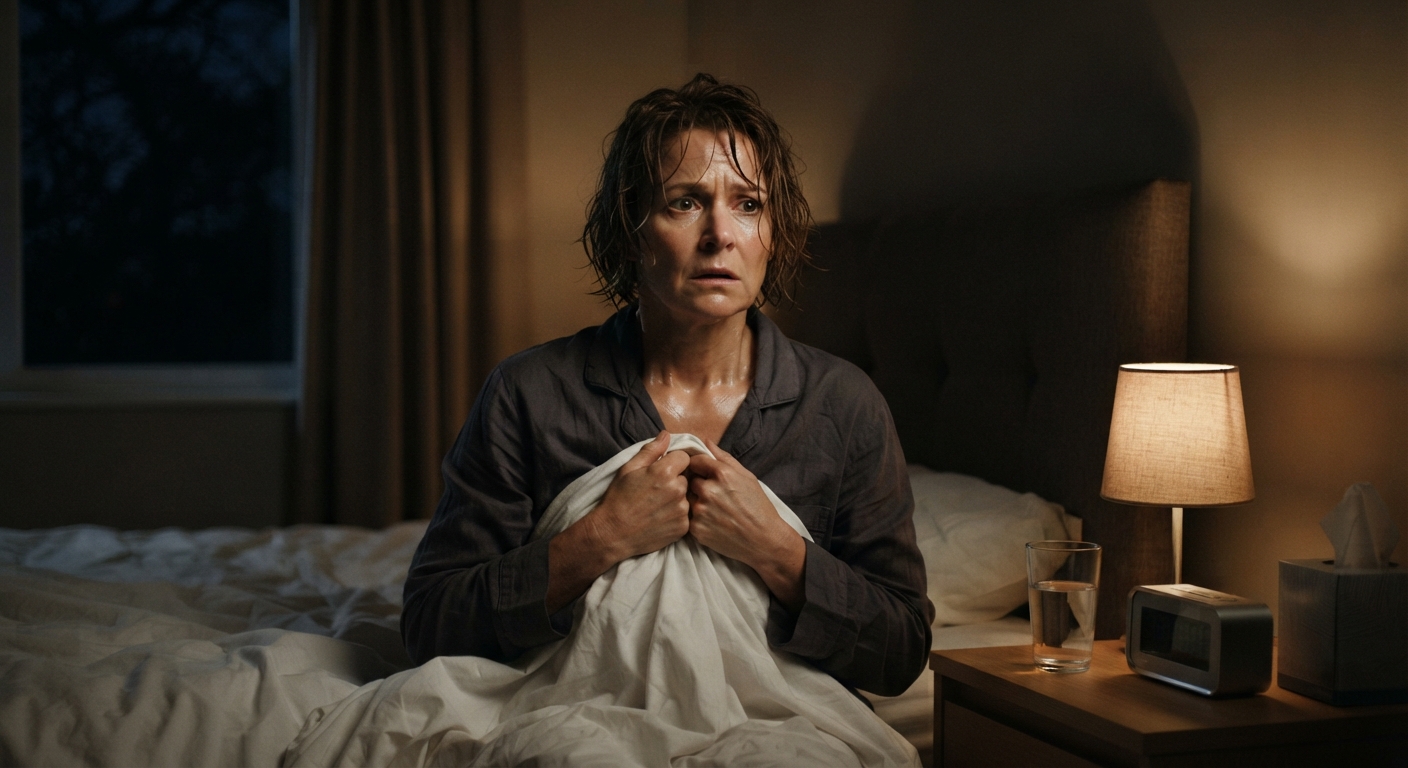
When Night Sweats Signal a Serious Issue
Waking up drenched in sweat can be unsettling, but it’s crucial to recognize when this symptom might indicate a medical emergency. If night sweats are accompanied by unexplained weight loss, persistent fever, or coughing up blood, seek medical care promptly. These signs could point to infections or cancers that require urgent attention.
Start by Distinguishing Between Typical and Concerning Night Sweats
Not all night sweats are created equal. The first step is to determine whether your sweating is related to environmental factors—like an overly warm room or heavy bedding—or if it occurs regardless of these conditions. True night sweats typically soak your clothes or sheets and happen repeatedly.
Ask yourself:
- Is the room temperature comfortable and consistent? (Ideal bedroom temperature is around 60-67°F or 15-19°C.)
- Are your bedclothes or sheets heavy or made from synthetic materials that trap heat?
- Do you experience sweating alongside other symptoms like fever, chills, or weight loss?
Answering these questions helps narrow down whether your night sweats are benign or a sign of a more serious underlying condition.
Check Your Medicine Cabinet: A Common but Overlooked Cause
Many prescription and over-the-counter medications can trigger night sweats. These include antidepressants, steroids, fever reducers, and hormone therapies. For example, selective serotonin reuptake inhibitors (SSRIs) used for depression are well-known to cause excessive sweating in some people.
If you recently started or changed a medication, review its side effects carefully. Never stop or adjust your medications without consulting your healthcare provider, but do bring this up during your next appointment to explore alternatives or solutions.
Estimate the Impact: How Often and How Severe?
Tracking the frequency and severity of your night sweats can provide valuable clues for diagnosis. Document how many nights per week or month you experience sweating episodes and how soaked your bedding or clothes become. Severe night sweats that significantly disturb sleep or require changing bed linens multiple times a week warrant medical evaluation.
Consider Common Underlying Causes Worth Immediate Investigation
Some medical conditions commonly associated with night sweats include:
- Menopause: Hormonal changes cause hot flashes and night sweats in many women aged 45-55.
- Infections: Tuberculosis, endocarditis, or HIV can cause prolonged night sweating.
- Sleep Apnea: Interrupted breathing at night can trigger sweating episodes.
- Low Blood Sugar: People with diabetes on insulin or certain medications may wake sweating due to hypoglycemia.
- Anxiety or Stress: Emotional triggers can provoke sweating during sleep.
Recognizing these patterns helps focus your next steps and discussions with your doctor.
When to See a Doctor
If night sweats persist for more than a few weeks, worsen, or are accompanied by other concerning symptoms such as unexplained weight loss, fever, or fatigue, you should seek medical advice. Your doctor may order blood tests, imaging, or sleep studies to identify the root cause.
Here are the 7 possible reasons worth knowing. Number 3 is the one most people overlook — and it could be hiding in your medicine cabinet.