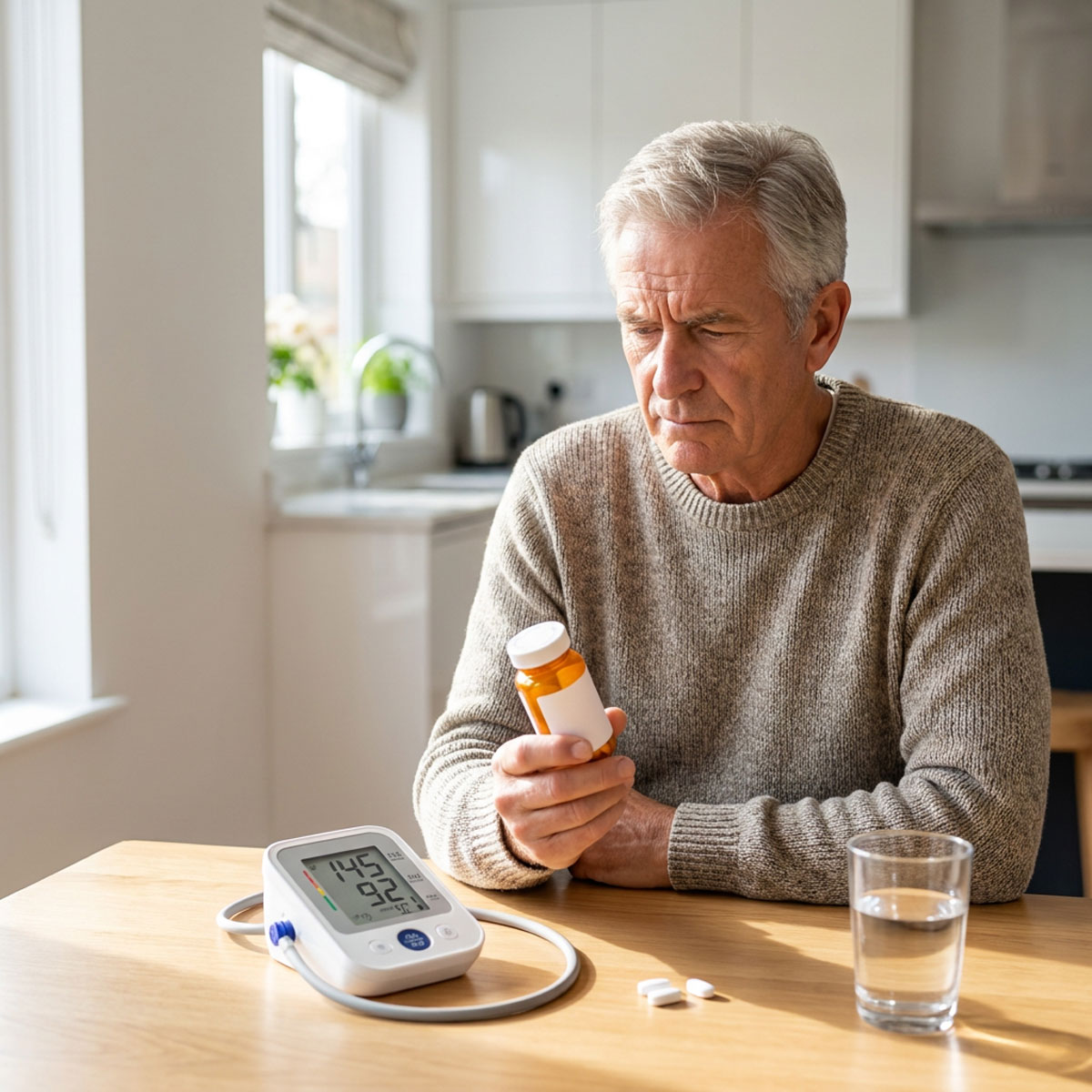
You don’t need medical jargon.
Simple questions can lead to productive conversations, such as:
- Could this symptom be related to my medication?
- Is this something that sometimes improves with time?
- Are there other blood pressure medicines that might fit me better?
- Are there lifestyle factors that could also be contributing to how I’m feeling?
- What should I watch for while we evaluate these symptoms?
These questions invite a partnership rather than putting you and your clinician on opposite sides.
The internet can’t see your whole picture
It’s easy to find dramatic stories online about blood pressure medication.
Some people say they stopped taking their pills and felt wonderful.
Others insist nobody needs medication at all.
The problem is that internet stories rarely include the full picture.
They don’t tell you someone’s complete medical history.
They don’t tell you whether their blood pressure stayed controlled months later.
They don’t tell you whether they experienced problems that were never shared online.
Your situation is unique.
The safest decision is based on your health history, your current condition, and a conversation with the clinician who knows why the medication was prescribed in the first place.
The bottom line
Blood pressure medications can cause side effects, and those side effects deserve to be taken seriously.
Feeling tired, dizzy, bothered by a cough, frustrated by swollen ankles, or concerned about changes in sexual function are all valid reasons to contact your healthcare professional.
But they are not reasons to suddenly stop a prescribed medication on your own.
Abrupt discontinuation can allow blood pressure to rebound, and with beta blockers in particular, it can temporarily leave the heart unusually sensitive to stress hormones. During that period, some people can develop a racing heart, chest pain, or other serious complications.
The goal is not to suffer through side effects.
The goal is to solve them safely.
Often that means working with your prescriber to decide whether symptoms are temporary, whether another medication would be a better fit, or whether a carefully supervised taper is appropriate.
The safest path isn’t choosing between side effects and no medication.
It’s choosing a plan that protects both your quality of life and your long-term heart health.