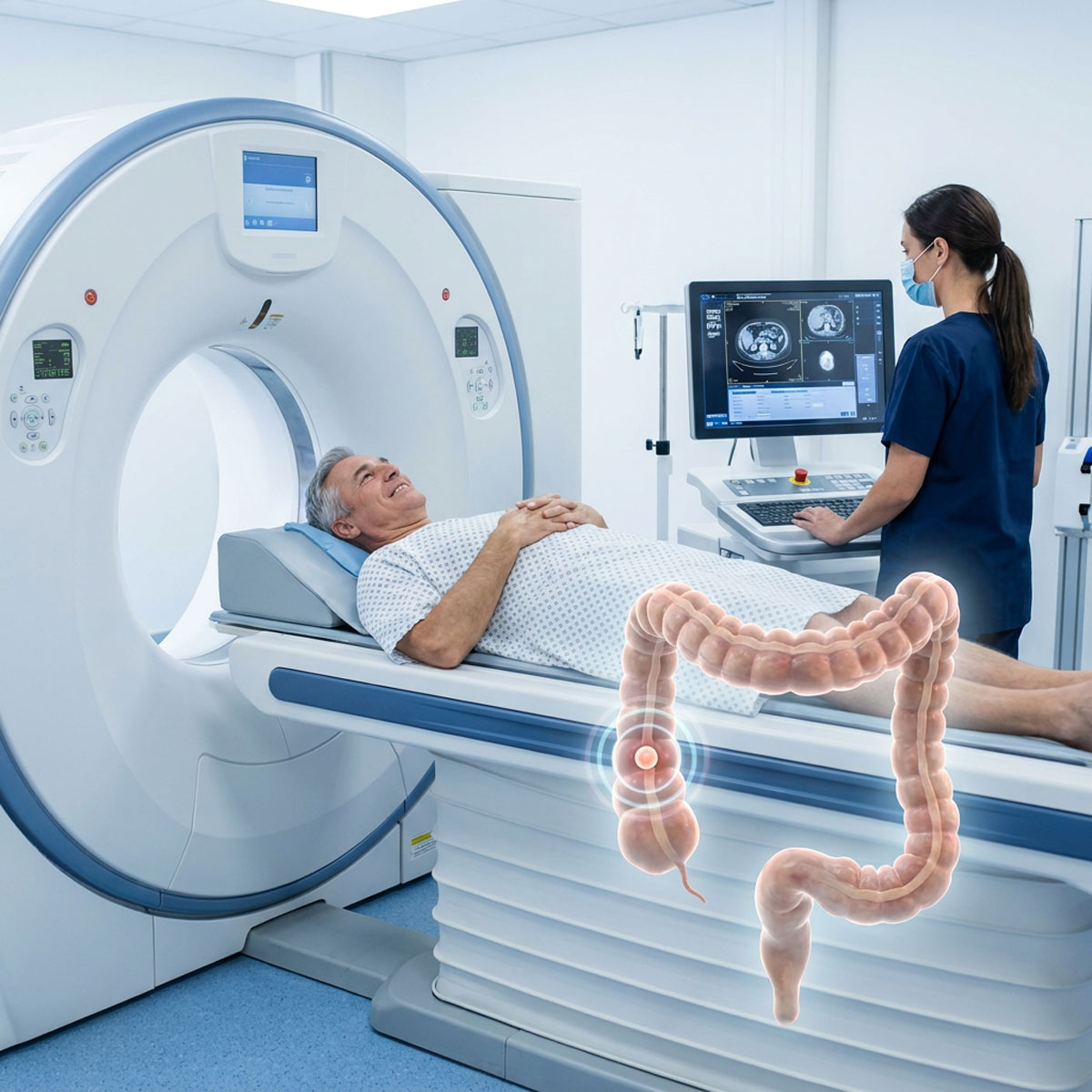
For many adults, few medical tests cause as much anxiety as a colonoscopy.
Some people worry about discomfort.
Others feel embarrassed.
Many are simply nervous about the idea of having a tube inserted into the colon.
Because of these concerns, some people postpone screening for years.
That can be a dangerous decision.
The good news is that medicine continues to evolve. One option that has become more widely available is virtual colonoscopy, a less invasive way to examine the large intestine using CT imaging.
But does this new method replace a traditional colonoscopy?
Not completely.
It offers important advantages for some people, but it also has limitations that everyone should understand before choosing the test that’s right for them.
This article provides general health information and is not a substitute for medical advice. Your healthcare provider can help determine which screening method is most appropriate for your individual situation.
Why Colon Cancer Screening Matters
Colorectal cancer often develops slowly.
It usually begins as small growths called polyps inside the lining of the colon.
Most polyps are harmless at first.
However, some can gradually become cancer over several years.
One of the biggest advantages of screening is that these polyps can often be found—and removed—before they become cancer.
That is why regular screening saves lives.
The challenge is that early colorectal cancer often causes no symptoms at all.
Many people feel perfectly healthy until the disease has become more advanced.
What Is a Traditional Colonoscopy?
A traditional colonoscopy uses a long, flexible tube with a tiny camera on its tip.
The doctor gently guides the instrument through the rectum and the entire colon while carefully examining the lining.
If polyps are found, they can usually be removed immediately during the same procedure.
Small tissue samples (biopsies) can also be taken if needed.
For this reason, traditional colonoscopy remains the gold standard for colorectal cancer screening.