3. Shoulder pain
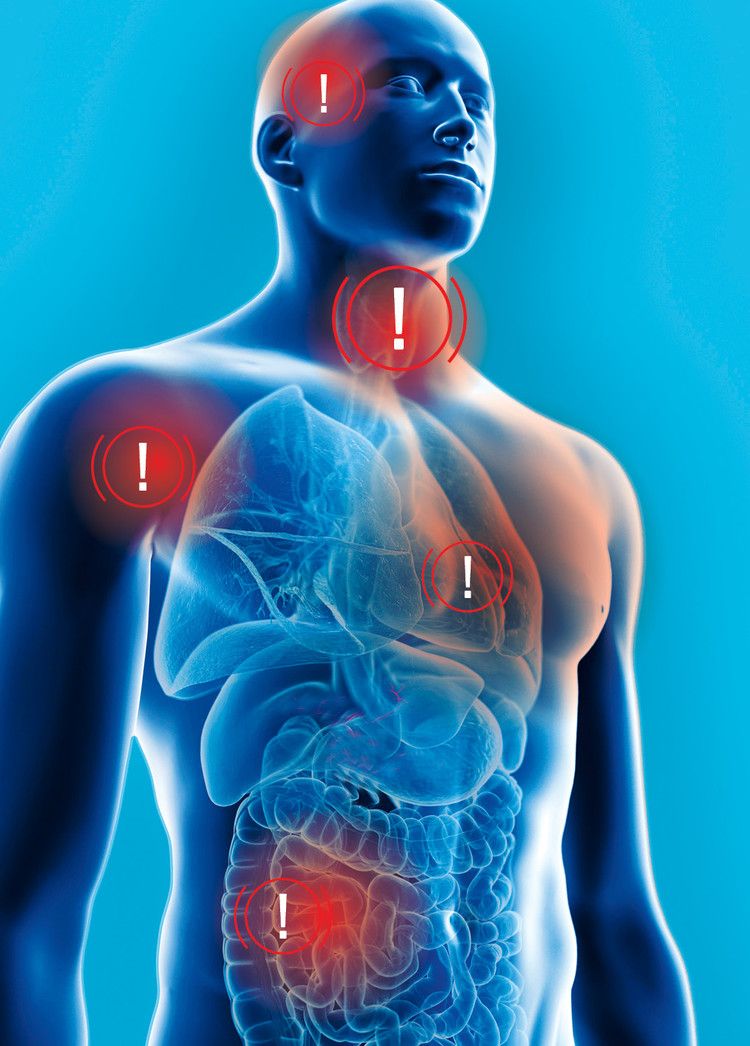
Shoulder pain may arise from rotator cuff injuries, bursitis, or arthritis, but it can also be a warning sign of referred pain from cardiac conditions like angina or heart attack. Rotator cuff tears often present with weakness and limited range of motion, whereas bursitis typically causes localized tenderness and swelling.
Importantly, left shoulder pain accompanied by chest discomfort, shortness of breath, or nausea requires immediate medical evaluation for potential cardiac ischemia. Sometimes, shoulder pain can be the only symptom of a heart attack, especially in women.
- Rotator cuff tear: pain with overhead activity and weakness.
- Bursitis: inflammation causing localized tenderness and swelling.
- Arthritis: chronic pain with stiffness and decreased mobility.
- Cardiac referred pain: shoulder pain linked to heart issues.
Proper diagnosis often involves imaging like X-rays or MRI and cardiac evaluation when heart disease is suspected.
4. Chest pain
Chest pain is one of the most critical symptoms and may indicate life-threatening conditions such as myocardial infarction (heart attack), pulmonary embolism, or aortic dissection. Cardiac chest pain typically feels like pressure, squeezing, or tightness and may radiate to the jaw, neck, or left arm.
Other causes include gastroesophageal reflux disease (GERD), costochondritis, and anxiety disorders, which have less urgent implications but still require evaluation. Accurate diagnosis often depends on history, physical examination, ECG, cardiac enzymes, and sometimes advanced imaging.
- Myocardial infarction: crushing chest pain with sweating, nausea, and breathlessness.
- Angina: exertional chest pain relieved by rest.
- Pulmonary embolism: sudden chest pain with shortness of breath and leg swelling.
- GERD: burning chest pain related to meals.
- Costochondritis: localized chest wall tenderness.
Immediate emergency care is necessary for chest pain suggestive of heart or lung emergencies.
5. Upper back pain
Upper back pain, especially between the shoulder blades, is often musculoskeletal due to poor posture or muscle strain. However, it can also signal serious internal issues such as aortic aneurysm, pancreatitis, or even lung conditions like pneumonia or cancer.
Persistent or severe pain that does not improve with typical measures, or is accompanied by systemic symptoms like weight loss, fever, or neurological deficits, requires further investigation with imaging studies such as chest X-ray, CT scan, or MRI.
- Muscle strain: common cause, worsened by movement.
- Aortic aneurysm: severe pain radiating to the back, a medical emergency.
- Pancreatitis: upper back pain with abdominal symptoms.
- Lung disease: pneumonia or tumors causing referred pain.
Early evaluation can identify life-threatening causes and guide appropriate treatment.