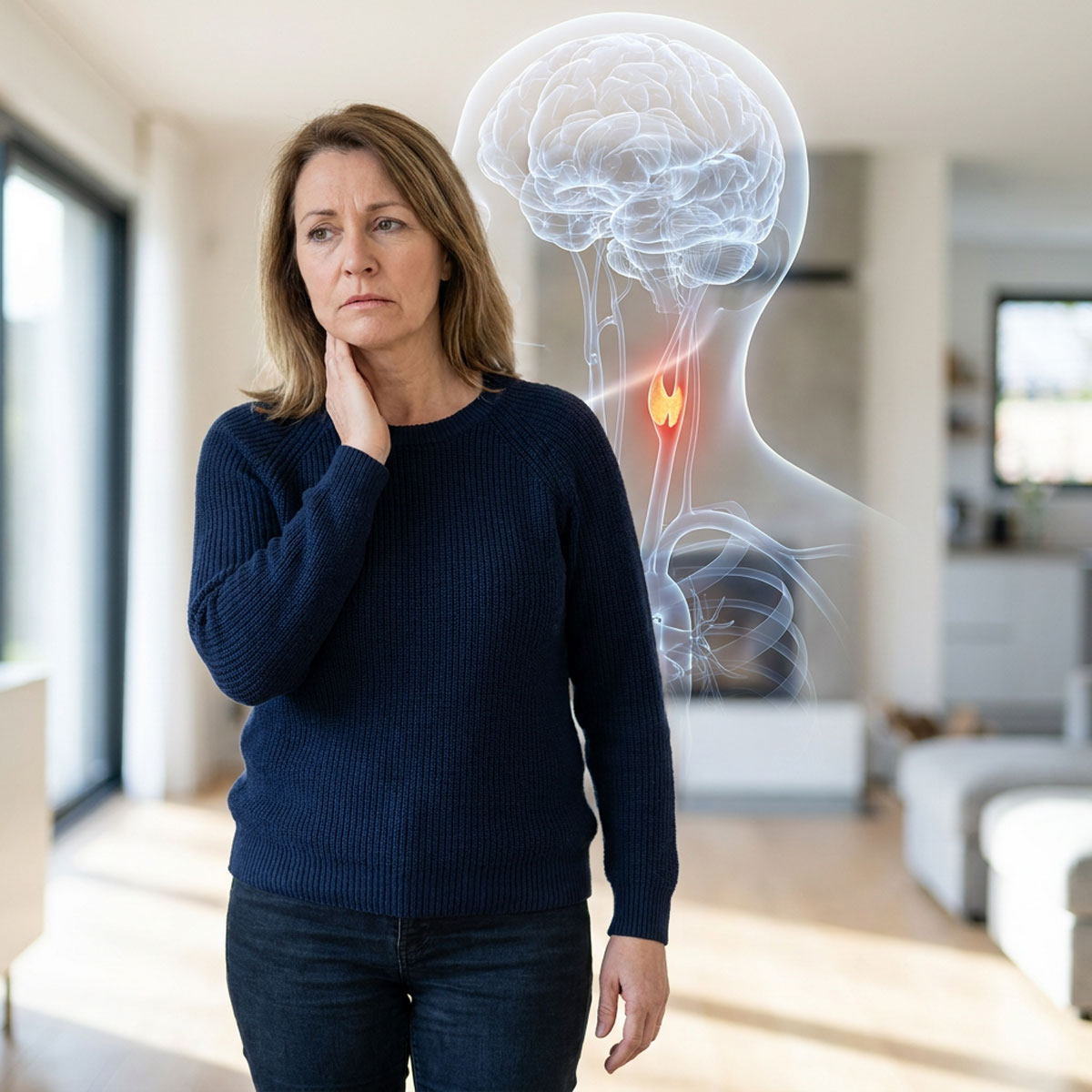
Sometimes stroke symptoms disappear after only a few minutes.
People often assume that because they feel normal again, everything is fine.
Unfortunately, that isn’t always true.
These brief symptoms may be caused by a transient ischemic attack (TIA), sometimes called a “mini-stroke.”
A TIA is a serious warning sign that a larger stroke may occur soon.
Even if every symptom disappears completely, emergency medical evaluation is still necessary.
Remember the Word FAST
Health professionals often use the word FAST to help people remember the most common warning signs.
F – Face: Ask the person to smile. Does one side droop?
A – Arms: Can they raise both arms equally?
S – Speech: Is speech slurred or difficult to understand?
T – Time: If you notice any of these signs, call emergency services immediately.
FAST does not include every possible stroke symptom.
However, it provides a quick way to remember some of the most important ones.
A Common Example
Imagine Susan, age 71.
While talking with her daughter on the phone, she suddenly begins struggling to finish her sentences.
She laughs and says she is probably just tired.
A few minutes later, her daughter notices that Susan’s words are becoming increasingly difficult to understand.
Instead of waiting to see if things improve, she immediately calls emergency services.
At the hospital, doctors confirm Susan is having a stroke.
Because treatment begins quickly, much of her brain function is preserved.
The symptoms did not seem dramatic.
Acting quickly made all the difference.
Why People Often Wait
Many people delay calling for help because the symptoms don’t seem severe enough.
They think they are simply exhausted.
They blame dehydration.
They assume they slept in an awkward position.
Some believe stress or anxiety is responsible.
Others simply don’t want to worry their family if it turns out to be nothing serious.
These reactions are completely understandable.
But they are also one of the biggest reasons strokes are treated later than they should be.
Emergency healthcare teams would always rather evaluate someone whose symptoms turn out to have another cause than miss the opportunity to treat a stroke early.