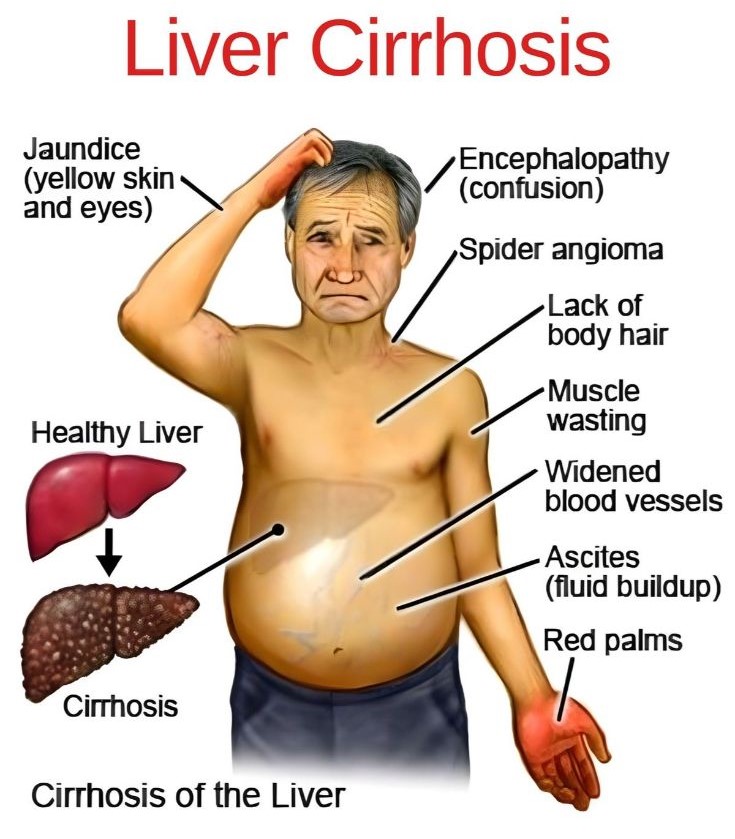
9. Abdominal Swelling
Abdominal swelling in cirrhosis may result from ascites but can also be due to an enlarged liver or spleen. This swelling is often accompanied by discomfort, fullness, and sometimes visible veins on the abdomen caused by collateral circulation due to portal hypertension.
Because abdominal swelling can indicate worsening liver function and complications such as variceal bleeding, it requires prompt medical assessment and imaging studies like abdominal ultrasound.
10. Fatigue and Weakness
Fatigue and generalized weakness are among the most common and debilitating symptoms reported by patients with liver cirrhosis. These symptoms reflect the liver’s reduced ability to detoxify the blood, produce essential proteins, and maintain energy metabolism.
Fatigue in cirrhosis can severely impact quality of life and may worsen as complications develop.
When to See a Doctor
If you notice symptoms such as yellowing of the eyes or skin, persistent confusion, unexplained abdominal swelling, or increasing fatigue, it is critical to seek medical evaluation promptly. Early diagnosis and management of liver cirrhosis can slow progression and prevent life-threatening complications.
Your healthcare provider will perform blood tests including liver function tests, imaging studies, and possibly liver biopsy to confirm the diagnosis. Management may involve treating the underlying cause, medications to control symptoms and complications, lifestyle changes, and in some cases, evaluation for liver transplantation.
Conclusion
Liver cirrhosis is a progressive condition with diverse warning signs that are often subtle and easy to miss. Recognizing these signs early—such as jaundice, confusion, and ascites—can lead to timely intervention and better outcomes. Always consult a healthcare professional if you experience any suspicious symptoms related to liver health.
Disclaimer: This article is for informational purposes only and does not substitute professional medical advice. Always consult your doctor for diagnosis and treatment.