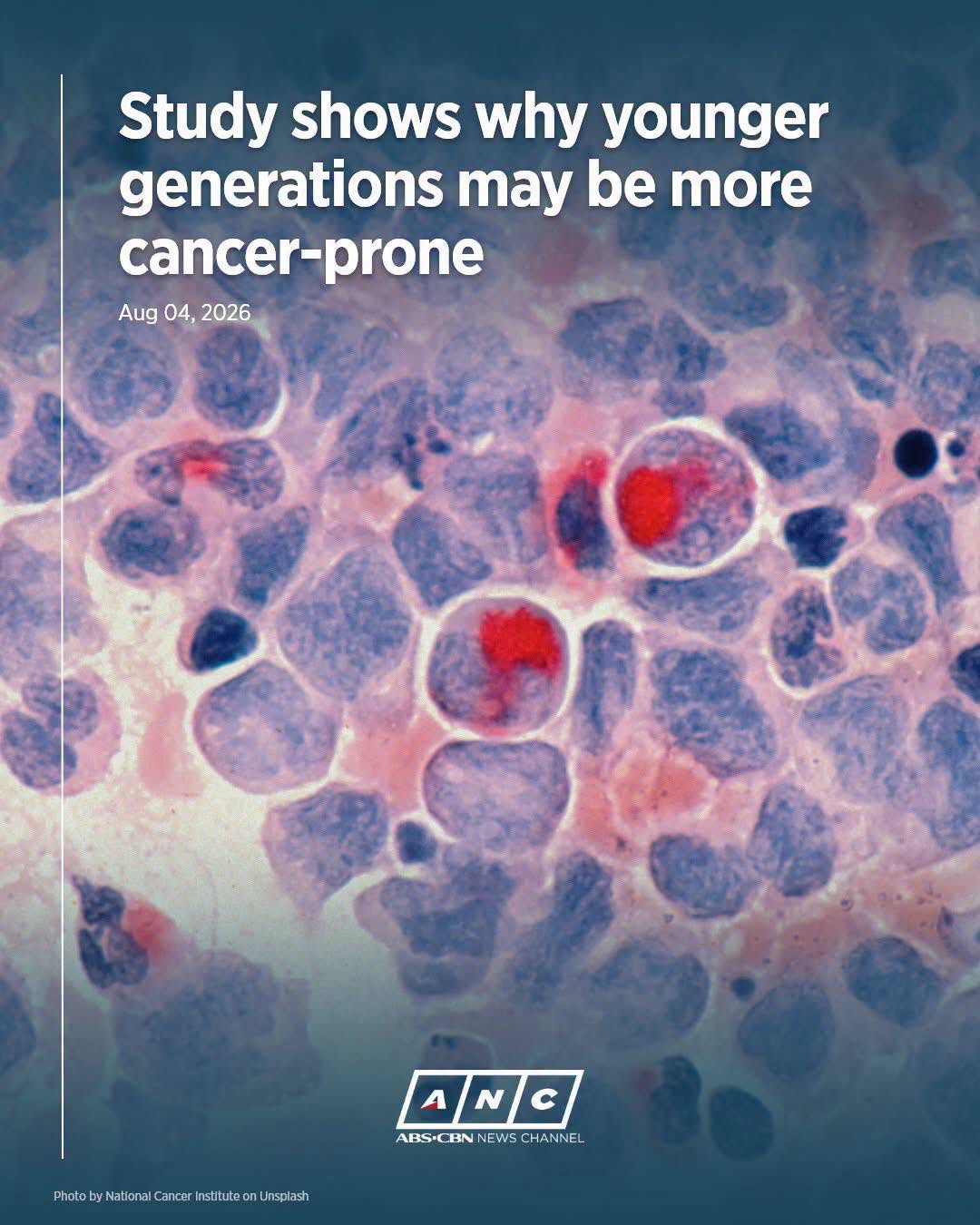
Why Early-Onset Cancer Is Becoming More Common Among Young Adults
Cancer has traditionally been linked to aging, with diagnoses mostly occurring in older adults. However, recent scientific findings reveal a concerning trend: younger generations are experiencing accelerated biological aging, which is pushing cancer risks into earlier decades of life.
Urgent note: If you or someone you know experiences unexplained symptoms like persistent cough, unusual lumps, sudden weight loss, or changes in bowel habits, consult a healthcare provider promptly to rule out serious conditions.
Biological Age vs Chronological Age: The Crucial Distinction
Chronological age is the number of years a person has lived, but biological age reflects the wear and tear at the cellular level. Studies show that many young adults today have a biological age that exceeds their actual age, meaning their bodies show signs of aging earlier than expected.
This disparity matters because biological age better predicts cancer risk than chronological age alone. When cells age prematurely, DNA damage accumulates, immune defenses weaken, and the chances of developing cancer increase—even before age 50.
Immune System and Fat Tissue Aging: Two Key Drivers
Two biological systems stand out in linking accelerated aging to early cancers:
- Immune system aging: As the immune system ages, its ability to detect and destroy abnormal cells declines. This decline is strongly associated with higher rates of early-onset lung cancer.
- Fat tissue aging: Aging fat tissue creates an inflammatory environment that promotes colorectal cancer development in younger adults.
Environmental and Lifestyle Factors Speeding Up Aging
The modern environment plays a significant role in this acceleration. Factors such as poor diet, chronic stress, lack of physical activity, and exposure to pollution contribute to cellular damage and inflammation, driving biological aging faster than in previous generations.
These factors also increase the burden on the immune system and fat tissue, which helps explain the rise in early-onset cancers linked to these tissues.
Check Your Medicine Cabinet
Some medications can influence biological aging and cancer risk indirectly by affecting metabolism, immune function, or inflammation. If you are taking long-term prescription drugs, discuss with your healthcare provider whether any adjustments might help reduce your cancer risk.
Understanding the Rising Generational Risks
Research indicates that each successive generation faces a higher risk of early-onset cancer than the one before. This trend is alarming because it suggests that biological aging is worsening over time due to cumulative environmental and lifestyle influences.
Addressing these factors early in life is essential to reverse or slow down this trend.
Biological Age Monitoring: An Emerging Tool
Measuring biological age is becoming a promising approach for identifying individuals at higher cancer risk before symptoms appear. Techniques include blood tests analyzing cellular markers of aging and DNA damage.
While these tests are not yet standard practice, they may soon guide personalized prevention strategies and early interventions.
Prevention Starts with Lifestyle Choices
Slowing biological aging through healthy habits is the most accessible and effective way to reduce early cancer risk. Key actions include:
- Eating a nutrient-rich, balanced diet
- Engaging in regular physical activity
- Managing stress through mindfulness or therapy
- Getting sufficient restorative sleep
- Avoiding tobacco and limiting alcohol
These steps not only improve overall well-being but also strengthen cellular health and immune resilience.
Here are the 10 key factors behind accelerated aging and early cancer risk. Number 3 reveals a surprising biological link that reshapes how we think about cancer prevention.