Why Potassium Matters More Than You Think for Heart and Kidney Health
Potassium is a critical mineral that helps regulate your heartbeat, muscle function, and fluid balance. Many people know bananas are a good source, but potassium intake often falls short despite the variety of foods available. This can have serious consequences: low potassium levels are linked to increased blood pressure, heightened risk of stroke, and kidney complications.
If you are managing hypertension or chronic kidney disease, keeping potassium within a healthy range is essential. However, too much potassium, especially for those with kidney impairment, can also be dangerous. That’s why understanding where potassium comes from in your diet—and how to balance it—is key.
Assess Your Potassium Needs Before Changing Your Diet
Before adding potassium-rich foods, consider these points:
- Are you on medications that affect potassium? Certain drugs—like ACE inhibitors, potassium-sparing diuretics, or some blood pressure medications—can raise potassium levels. Check your medicine cabinet and consult your doctor.
- Do you have kidney disease? If yes, your potassium tolerance may be lower, requiring careful monitoring.
- Are you experiencing symptoms like muscle weakness, irregular heartbeat, or fatigue? These can indicate potassium imbalance and should prompt medical evaluation.
Check Your Medicine Cabinet
Medications are a frequent, overlooked source of potassium fluctuations. Common prescriptions that influence potassium include:
- ACE inhibitors and ARBs (used for blood pressure and heart failure)
- Potassium-sparing diuretics (like spironolactone)
- Nonsteroidal anti-inflammatory drugs (NSAIDs)
If you take any of these, your doctor may recommend regular blood tests to monitor potassium.
How Much Potassium Do You Need?
The recommended daily intake of potassium for adults is approximately 2,500 to 3,000 mg, though some guidelines suggest up to 4,700 mg for optimal cardiovascular benefits. Meeting these targets through diet can help lower blood pressure by 4 to 5 mm Hg on average, which significantly reduces the risk of stroke and heart disease.
Potassium-rich foods are affordable and accessible. Including a variety in your meals can boost your intake without relying solely on bananas, which some might find repetitive or inconvenient.
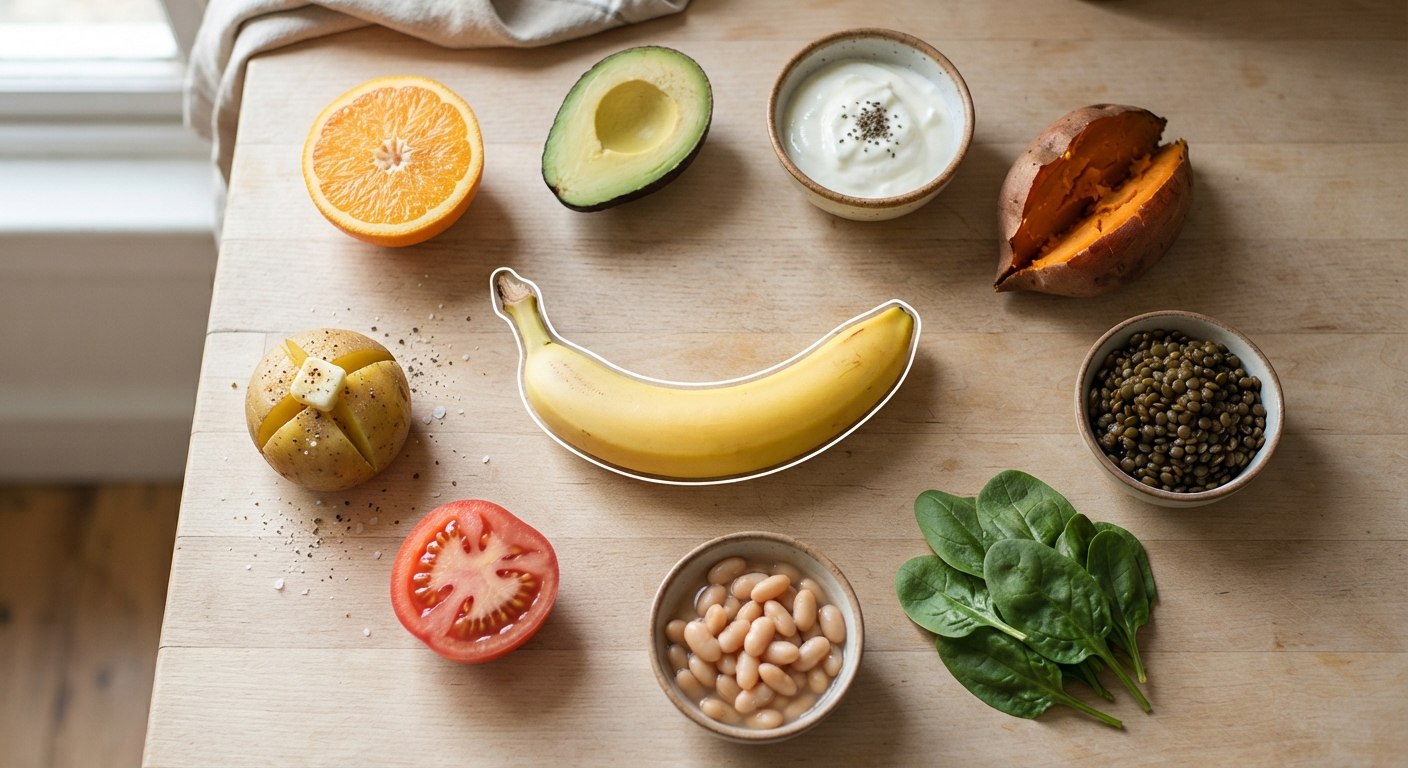
Below, we list 9 potassium-rich foods you might be overlooking. Each offers a unique nutrient profile alongside potassium, contributing to overall health.
Here are the 9 potassium-rich foods that aren’t bananas. Number 3 is the one most people underestimate — and it’s a staple in many kitchens.