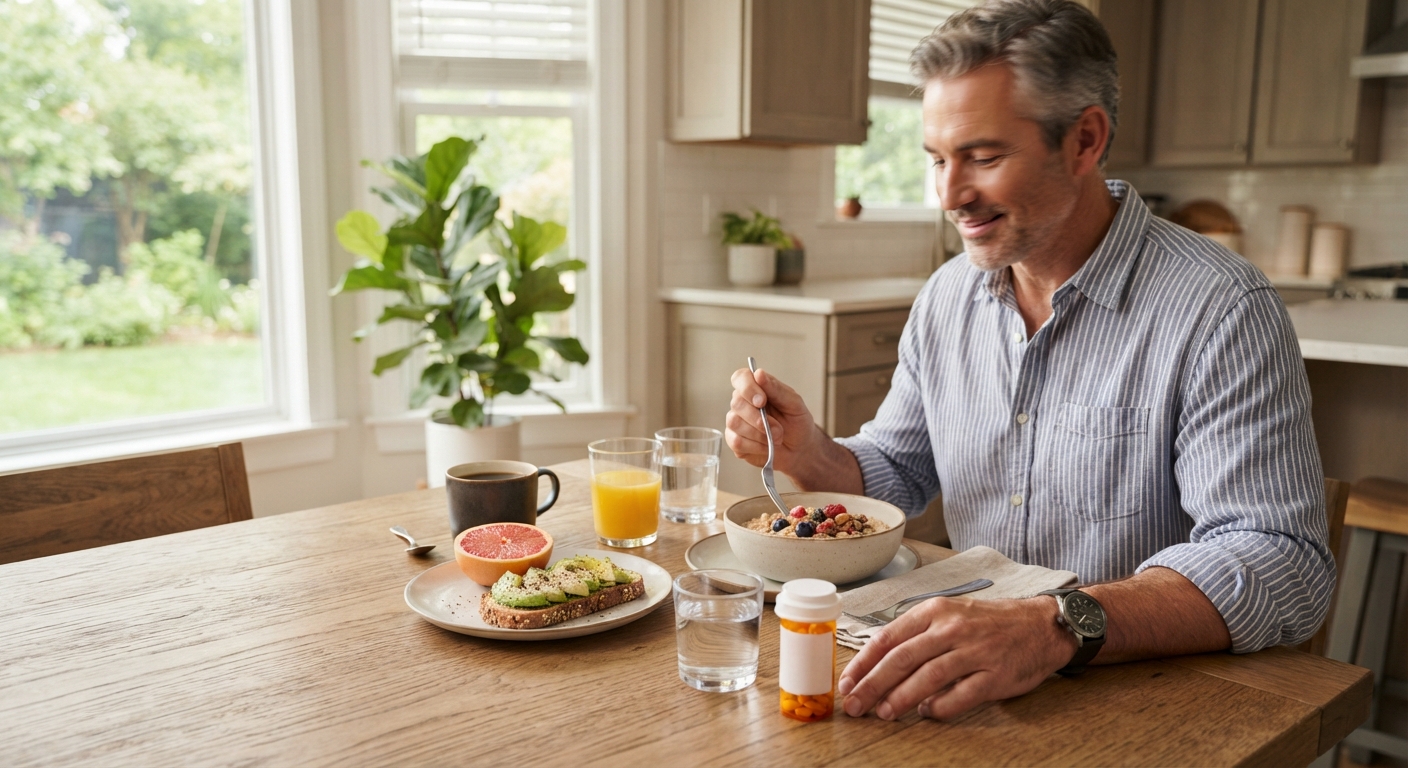
Food and Medication Interactions: What You Need to Know Before Your Next Meal
Important: If you experience symptoms like sudden dizziness, difficulty breathing, swelling, or severe rash after taking medication with food, seek emergency medical help immediately.
When managing medications, understanding how food interacts with your drugs can be critical to both safety and effectiveness. These interactions are a frequent but often overlooked cause of medication failure or adverse effects, especially for people taking multiple prescriptions.
Why Food-Medication Interactions Matter
Medications don’t act in isolation. What you eat can alter drug absorption, metabolism, and elimination, impacting how well your medicine works or raising the risk of side effects. In some cases, interactions can lead to dangerous complications requiring costly emergency care, hospitalization, or long-term health consequences.
For example, some blood thinners require careful dietary management to maintain the right balance of clot prevention without causing bleeding. Others, like cholesterol-lowering drugs, can be made dangerously potent or ineffective by certain fruits or supplements.
Identify Your Risk: Ask the Right Questions
Start by asking yourself two vital questions:
- What medications am I currently taking? Review your medicine cabinet for all prescriptions, over-the-counter drugs, and supplements.
- What foods do I regularly consume? Note especially grapefruit, dairy, leafy greens, alcohol, and high-fiber foods.
Talking to your pharmacist or doctor about these can help uncover hidden risks. Medication guides often list common food interactions but may miss less obvious ones or cumulative effects from multiple drugs.
Check Your Medicine Cabinet
Many widely used medications have well-documented food interactions. Here are some categories to watch for:
- Blood thinners: Warfarin and similar drugs are sensitive to vitamin K found in leafy greens and some vegetable oils.
- Antibiotics: Some, like tetracyclines and fluoroquinolones, bind with calcium in dairy products, reducing drug absorption.
- Cholesterol medications (statins): Grapefruit juice can increase statin levels, raising the risk of side effects.
- Antidepressants: MAO inhibitors require avoiding tyramine-rich foods like aged cheese and cured meats to prevent dangerous blood pressure spikes.
These categories represent just a few examples; your personal risk depends on your specific medications and dietary habits.
Cost and Consequences of Ignoring Interactions
Ignoring food-medication interactions can lead to treatment failure or adverse effects that add substantial healthcare costs. Emergency visits for bleeding complications from warfarin misuse or hospitalizations due to statin toxicity are not uncommon. Preventing these issues through awareness can save thousands in medical expenses and improve health outcomes.
Medications can cost anywhere from $10 to several hundred dollars monthly; ineffective therapy means wasted money and increased risk of disease progression or complications.
Practical Steps to Protect Yourself
- Always read medication instructions and warnings about food interactions.
- Maintain a consistent diet if your drug requires it, especially with vitamin K intake.
- Separate timing of medication and problematic foods or supplements when advised.
- Communicate openly with healthcare providers about your diet and all substances you consume.
Managing food and medication interactions is a straightforward way to ensure your medications work safely and effectively.
Here are the 7 well-established food and medication interactions worth knowing. Number 3 is the one that surprises most people — it involves a common breakfast staple.