3. Triggers of autophagy
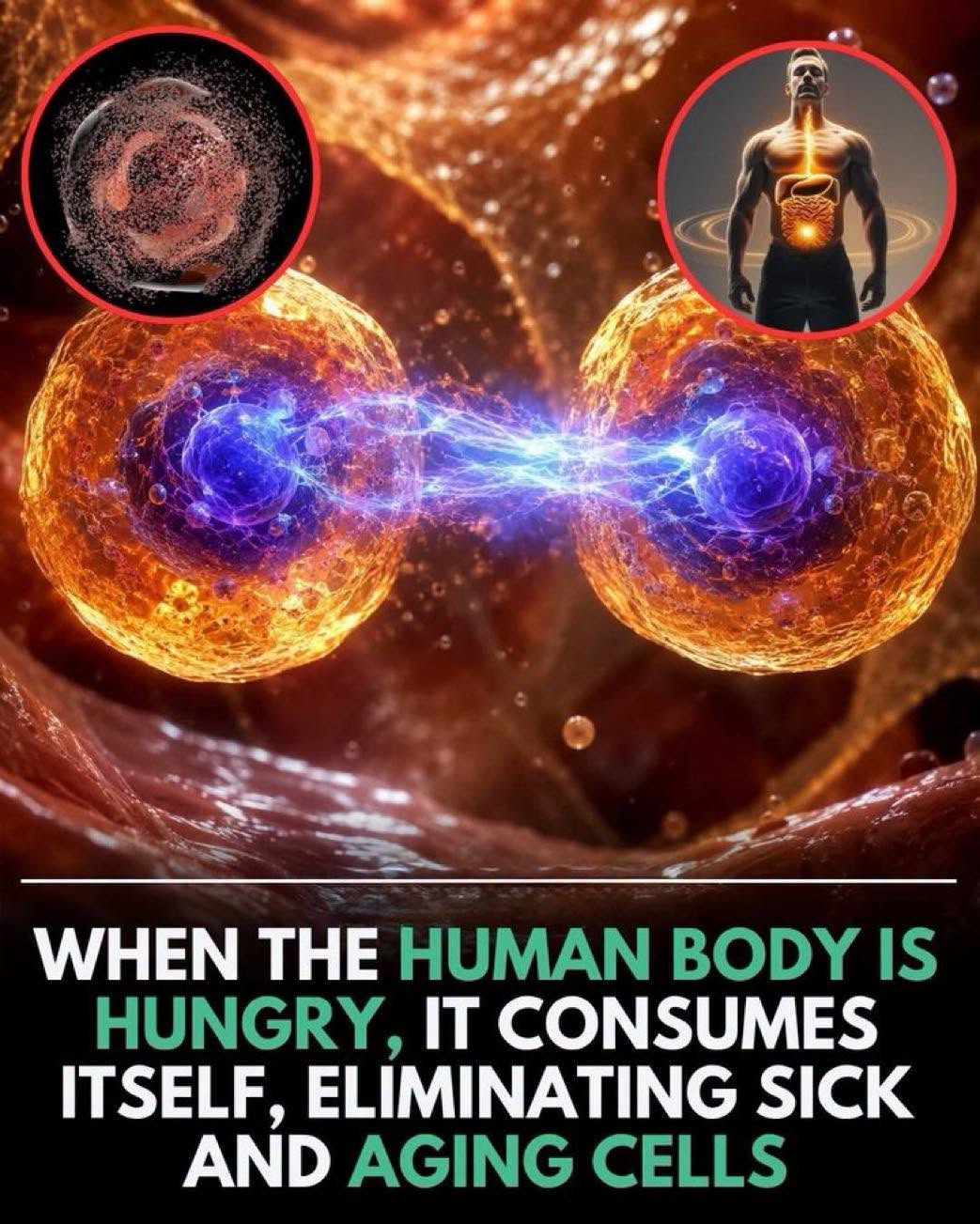
Autophagy is activated primarily when the body senses a lack of nutrients or energy. The most common triggers include fasting, calorie restriction, and prolonged exercise. When food intake drops, cells respond by digesting damaged components to recycle nutrients and maintain energy balance.
Other stressors such as low oxygen levels, infection, or certain medications can also stimulate autophagy. This process helps cells survive under adverse conditions by clearing out harmful materials and supporting repair mechanisms.
- Intermittent fasting and prolonged fasting
- Low carbohydrate or ketogenic diets
- Physical exercise, especially endurance training
- Cellular stress from toxins or hypoxia
Understanding these triggers is key for safely harnessing autophagy without overdoing it or risking malnutrition.
4. Benefits for aging and brain health
Autophagy plays a crucial role in maintaining cellular health as we age. By removing damaged proteins and organelles, it helps prevent the buildup of cellular waste that can contribute to aging and degenerative diseases.
In the brain, efficient autophagy is linked to reduced risk of neurodegenerative conditions such as Alzheimer’s and Parkinson’s disease. It supports the clearance of toxic protein aggregates and promotes neuronal survival.
While boosting autophagy is not a guaranteed way to stop aging, it is considered a promising target for therapies aimed at extending healthy lifespan and protecting cognitive function.
5. Common misconceptions
There are several myths surrounding autophagy that can lead to misunderstanding or misuse of fasting and diet strategies. One is the belief that autophagy is a quick fix or detox method that can rapidly reverse aging or diseases. In reality, autophagy is a complex, ongoing cellular process that supports health over time but is not a cure-all.
Another misconception is that more fasting is always better. Excessive fasting can cause harm and nutrient deficiencies rather than enhance autophagy. Finally, some people think autophagy only occurs during fasting, but certain types of exercise and dietary patterns can also activate it.
Awareness of these facts helps set realistic expectations and encourages safe lifestyle choices.