9. Role of exercise
Exercise is a powerful natural trigger of autophagy, particularly endurance and high-intensity interval training (HIIT). Physical activity stresses muscle cells, leading to the removal of damaged proteins and organelles, which aids in muscle recovery and performance.
Exercise-induced autophagy also benefits other tissues, including the liver and brain, enhancing overall metabolic health and cognitive function.
Consistent, moderate exercise is recommended to complement dietary strategies for autophagy activation.
10. Dietary considerations
Diet plays a significant role in autophagy regulation. Low carbohydrate intake and ketogenic diets can mimic fasting effects by reducing insulin levels and promoting fat metabolism, which in turn stimulates autophagy.
However, diets lacking essential nutrients can impair cellular repair and negate autophagy benefits. Including antioxidants, vitamins, and minerals supports the process and overall cell health.
A balanced approach combining nutrient-rich foods with strategic fasting or carbohydrate reduction is ideal for promoting healthy autophagy.
When to See a Doctor
If you plan to start fasting or significant dietary changes to promote autophagy, consult your healthcare provider, especially if you have chronic illnesses, are pregnant, or take medications. Seek medical advice if you experience dizziness, extreme fatigue, heart palpitations, or other concerning symptoms during fasting or exercise.
Conclusion
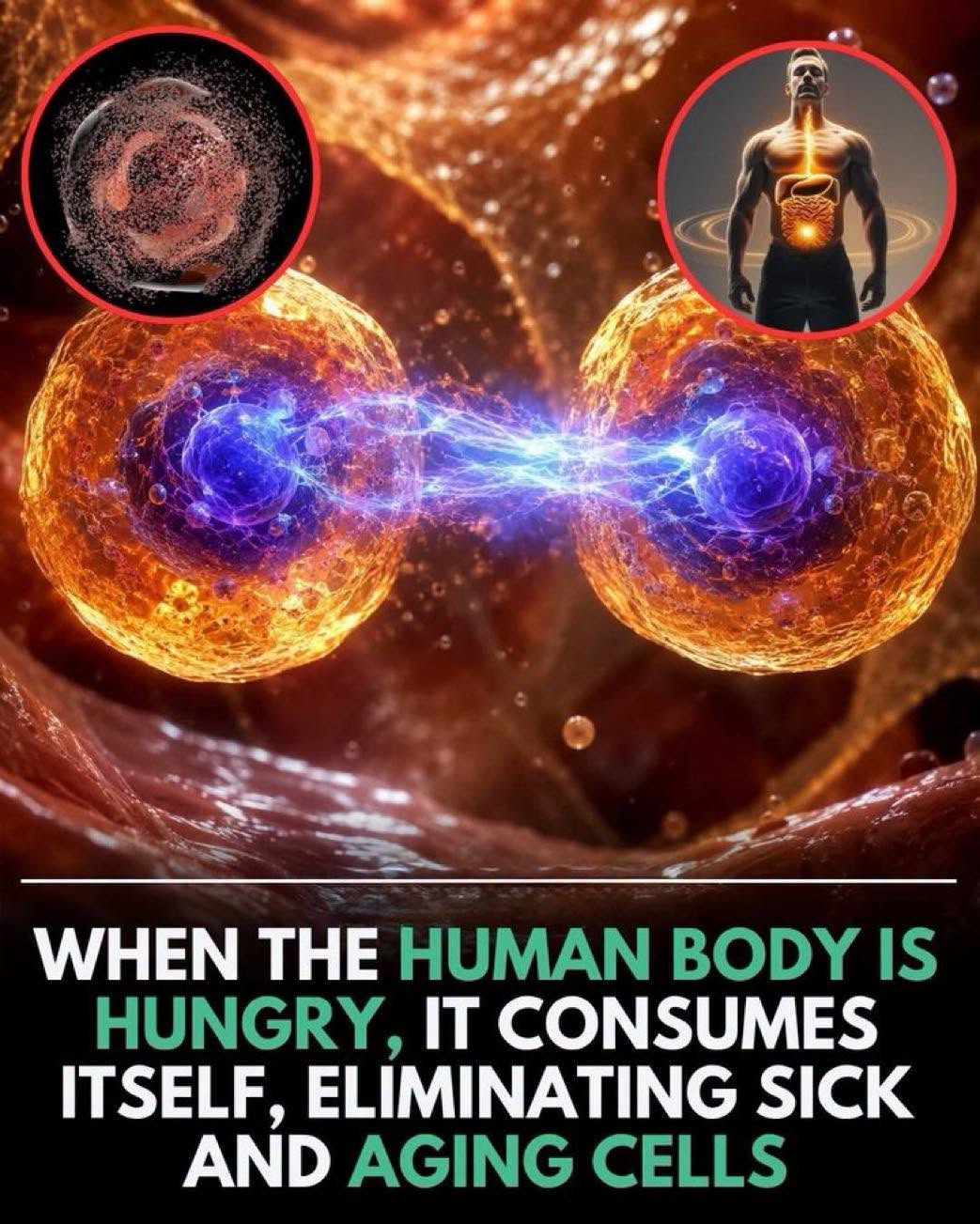
Autophagy is a vital cellular process that supports health by clearing damaged components and recycling nutrients. While fasting, exercise, and dietary choices can enhance autophagy, it is essential to approach these strategies safely and realistically. Balanced lifestyle habits and professional guidance maximize benefits and minimize risks.
Disclaimer: This article is for informational purposes and not a substitute for professional medical advice. Always consult your healthcare provider before making major changes to your diet or exercise routine.