7. Lifestyle factors
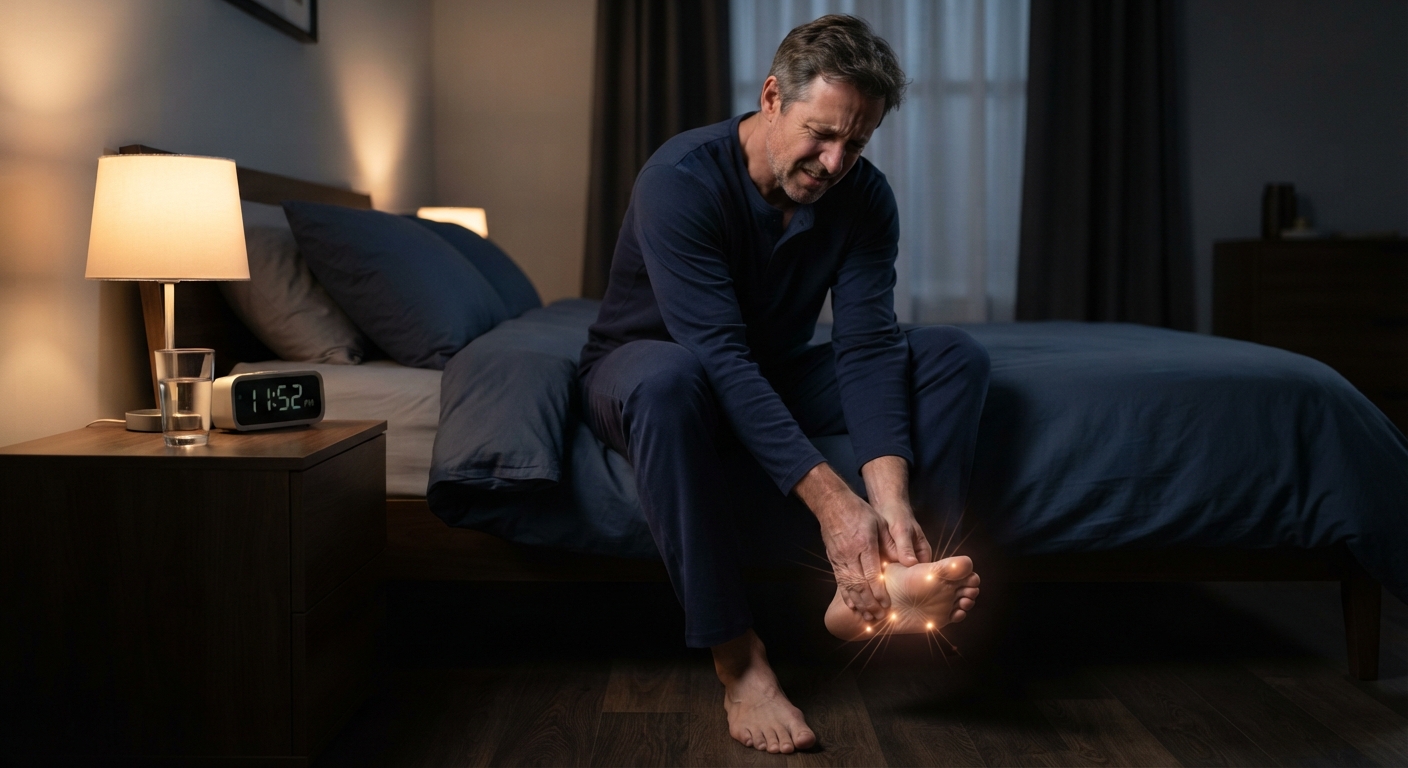
Lifestyle habits can contribute significantly to nighttime tingling in the feet. Prolonged sitting or crossing legs compresses nerves and blood vessels, leading to temporary pins and needles. Wearing tight shoes or socks can also restrict circulation and irritate nerves.
Excessive alcohol consumption is another important factor; it can cause alcoholic neuropathy due to both direct nerve toxicity and nutritional deficiencies commonly seen with heavy drinking.
Improving lifestyle habits can often reduce or prevent foot tingling. This includes regular breaks to move and stretch during sedentary activities, choosing properly fitting footwear, moderating alcohol intake, and maintaining a balanced diet rich in essential nutrients.
When to See a Doctor
If your foot tingling is persistent, worsening, or accompanied by other symptoms such as muscle weakness, loss of balance, severe pain, or skin changes, it is important to seek medical evaluation promptly. Early diagnosis of underlying conditions like peripheral neuropathy, poor circulation, or nerve compression can prevent complications.
Your healthcare provider may perform neurological exams, blood tests, imaging, or nerve conduction studies to determine the cause. Treatment is most effective when started early and tailored to the specific diagnosis.
Conclusion
Nighttime tingling in the feet can arise from a variety of causes, ranging from reversible lifestyle factors to serious medical conditions like peripheral neuropathy or vascular disease. Understanding the underlying reason is crucial for effective treatment and prevention of long-term nerve damage.
If this symptom affects your sleep or daily life, consult your doctor for a thorough assessment and personalized care plan.
Disclaimer: This article is for informational purposes only and does not substitute professional medical advice. Always consult a healthcare provider for diagnosis and treatment options.