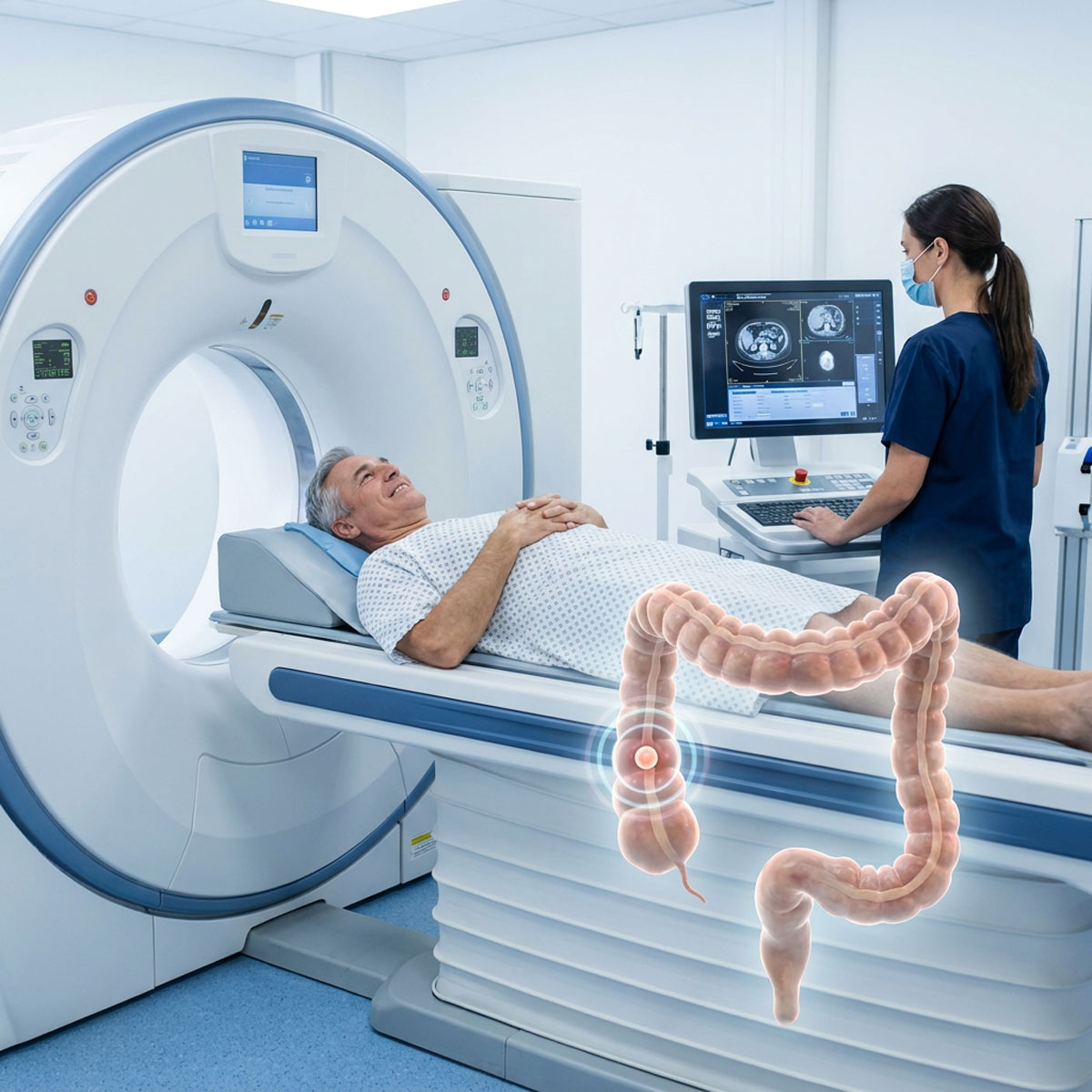
Virtual colonoscopy is generally very good at detecting larger polyps and colorectal cancers.
Smaller polyps may be more difficult to identify.
For many average-risk adults, it is considered an acceptable screening option when recommended by their healthcare provider.
However, the best screening test is often the one that is most appropriate for your personal medical history and risk factors.
Does the Preparation Change?
Unfortunately, this is one part many people hope has changed—but usually hasn’t.
Before both traditional and virtual colonoscopy, the colon typically needs to be cleaned.
This usually involves:
- A special low-residue or clear-liquid diet before the test.
- Drinking a bowel preparation solution as instructed.
- Staying close to a bathroom while the bowel empties.
A clean colon allows doctors to see the lining clearly.
Without good preparation, important abnormalities can be missed.
Who Might Benefit Most?
Virtual colonoscopy may be considered for people who:
- Cannot safely receive sedation.
- Prefer a less invasive examination.
- Have certain medical conditions that make traditional colonoscopy more difficult.
- Previously had an incomplete colonoscopy.
- Need colorectal cancer screening but are unable to undergo the standard procedure for specific medical reasons.
The decision should always be made together with a healthcare professional.
Who May Still Need a Traditional Colonoscopy?
Traditional colonoscopy may still be recommended for people who:
- Have symptoms that require direct examination.
- Have previously had colon polyps.
- Have inflammatory bowel disease.
- Have a strong family history of colorectal cancer.
- Need biopsies or removal of suspicious growths.
- Have abnormal findings on a virtual colonoscopy.
Because treatment can be performed immediately during the procedure, traditional colonoscopy often avoids the need for a second examination.