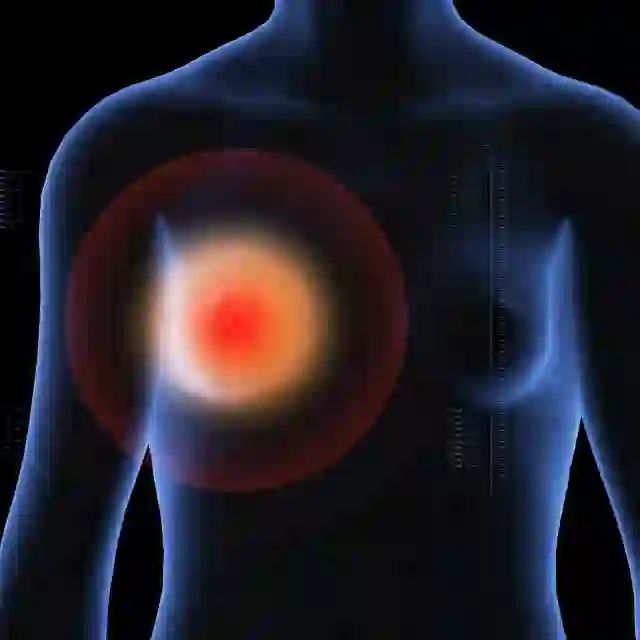
6. Panic Attack
Panic attacks can cause sudden, intense episodes of fear accompanied by physical symptoms that may include chest pain or tightness. People experiencing a panic attack often describe a feeling of impending doom, rapid heartbeat, sweating, trembling, and shortness of breath.
Chest pain from panic attacks is typically sharp or stabbing and may be accompanied by dizziness, numbness, or tingling in the hands and feet. Although alarming, panic attack chest pain is not due to heart damage but can mimic heart-related conditions closely.
Management involves calming techniques such as deep breathing, cognitive behavioral therapy, and, in some cases, medication prescribed by a mental health professional.
7. Lung Issues
Several lung conditions can cause pain in the left chest, including pneumonia, pleuritis (inflammation of the lung lining), pulmonary embolism (blood clot in the lung), and pneumothorax (collapsed lung). These conditions often cause sharp, stabbing chest pain that worsens with deep breathing or coughing.
Symptoms that may accompany lung-related chest pain include cough, fever, shortness of breath, and rapid breathing. Pulmonary embolism, in particular, is a medical emergency requiring immediate diagnosis via imaging tests and treatment with anticoagulants.
8. Medication Side Effects
Certain medications can cause chest discomfort as a side effect. For example, some chemotherapy drugs, stimulants, or asthma inhalers may provoke chest tightness, palpitations, or pain. Additionally, medications like bisphosphonates used for osteoporosis can cause esophageal irritation leading to chest discomfort.
If you suspect your medication is causing chest pain, consult your prescribing physician before making any changes. They may adjust the dosage, switch medications, or recommend supportive treatments.