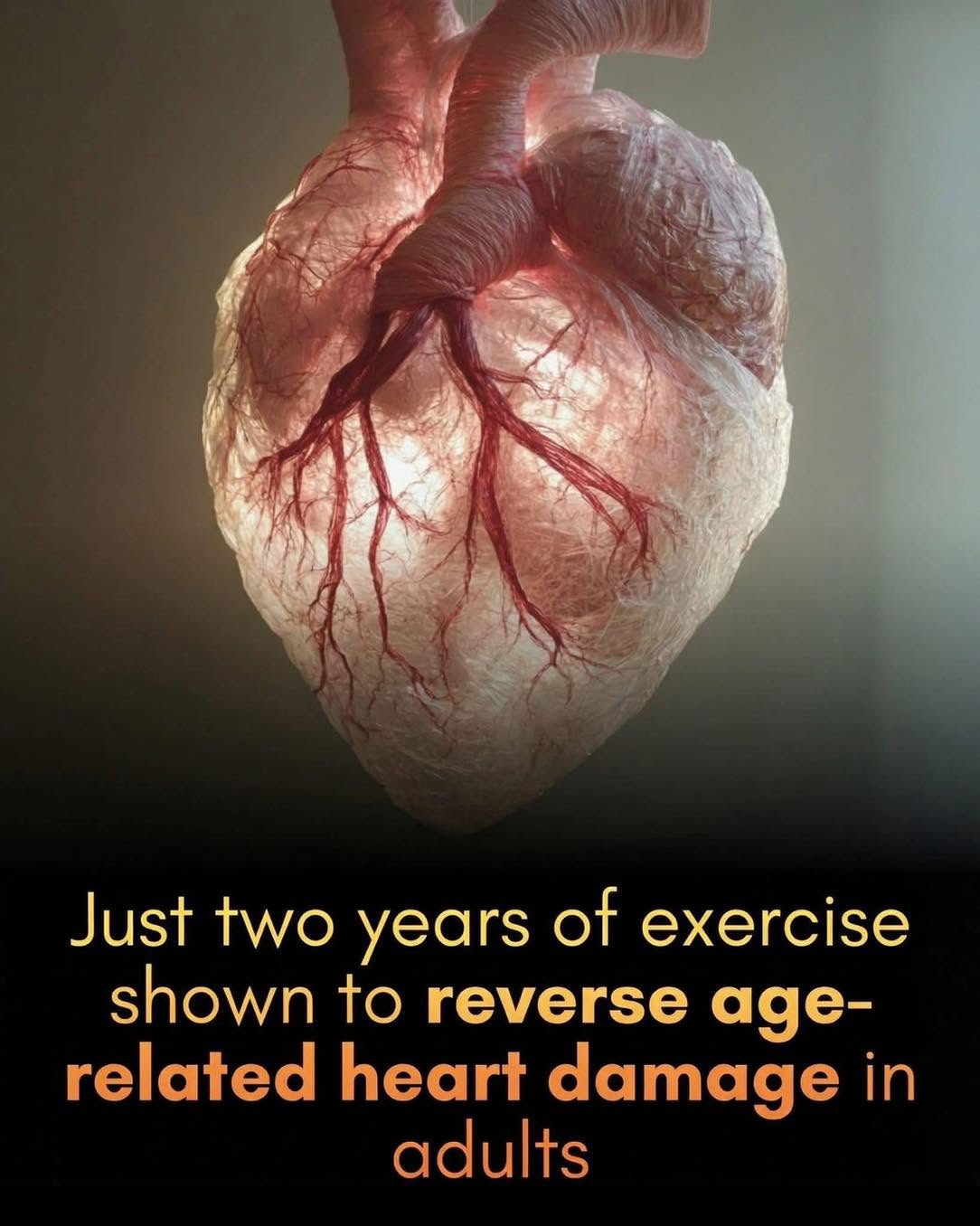
3. Heart elasticity improvements
One of the study’s most significant findings is the 25% improvement in heart elasticity after two years of consistent exercise. Heart elasticity refers to the ability of the left ventricle to stretch and contract efficiently during each heartbeat. Aging and inactivity cause the heart muscle to stiffen, reducing this elasticity and impairing blood flow.
Improved elasticity means the heart can fill and pump blood more effectively, reducing strain on the cardiovascular system. This improvement lowers the risk of developing diastolic heart failure, where the heart struggles to fill properly despite preserved pumping function.
Exercise induces molecular changes in heart tissue, such as enhanced collagen remodeling and improved endothelial function, which restore flexibility. This effect reverses a key aspect of cardiac aging that was once thought irreversible.
4. Oxygen intake boost
The study participants also experienced an 18% increase in maximal oxygen uptake (VO2 max), a critical measure of cardiovascular fitness. VO2 max indicates how efficiently the heart and lungs can supply oxygen to muscles during intense exercise. Higher VO2 max levels correlate with lower risk of cardiovascular disease and mortality.
This boost is achieved through improved cardiac output, better lung capacity, and enhanced muscle oxygen utilization. The result is increased endurance and reduced fatigue in daily activities, contributing to overall quality of life improvements.
5. Exercise frequency and duration
Effective cardiac recovery requires exercising four to five times per week, with sessions lasting between 30 to 60 minutes. Consistency over a prolonged period, such as the two years observed in the study, is key to driving lasting physiological changes in heart function.
Shorter or less frequent sessions may provide some benefit but are unlikely to produce the level of heart elasticity or VO2 max improvements necessary for reversing age-related damage. The combination of aerobic and strength elements within these sessions enhances the overall cardiovascular stimulus.
For example, a weekly routine might include:
- Three moderate-intensity aerobic sessions of 40 minutes
- One to two HIIT sessions lasting 20-30 minutes
- Two strength training sessions targeting all major muscle groups