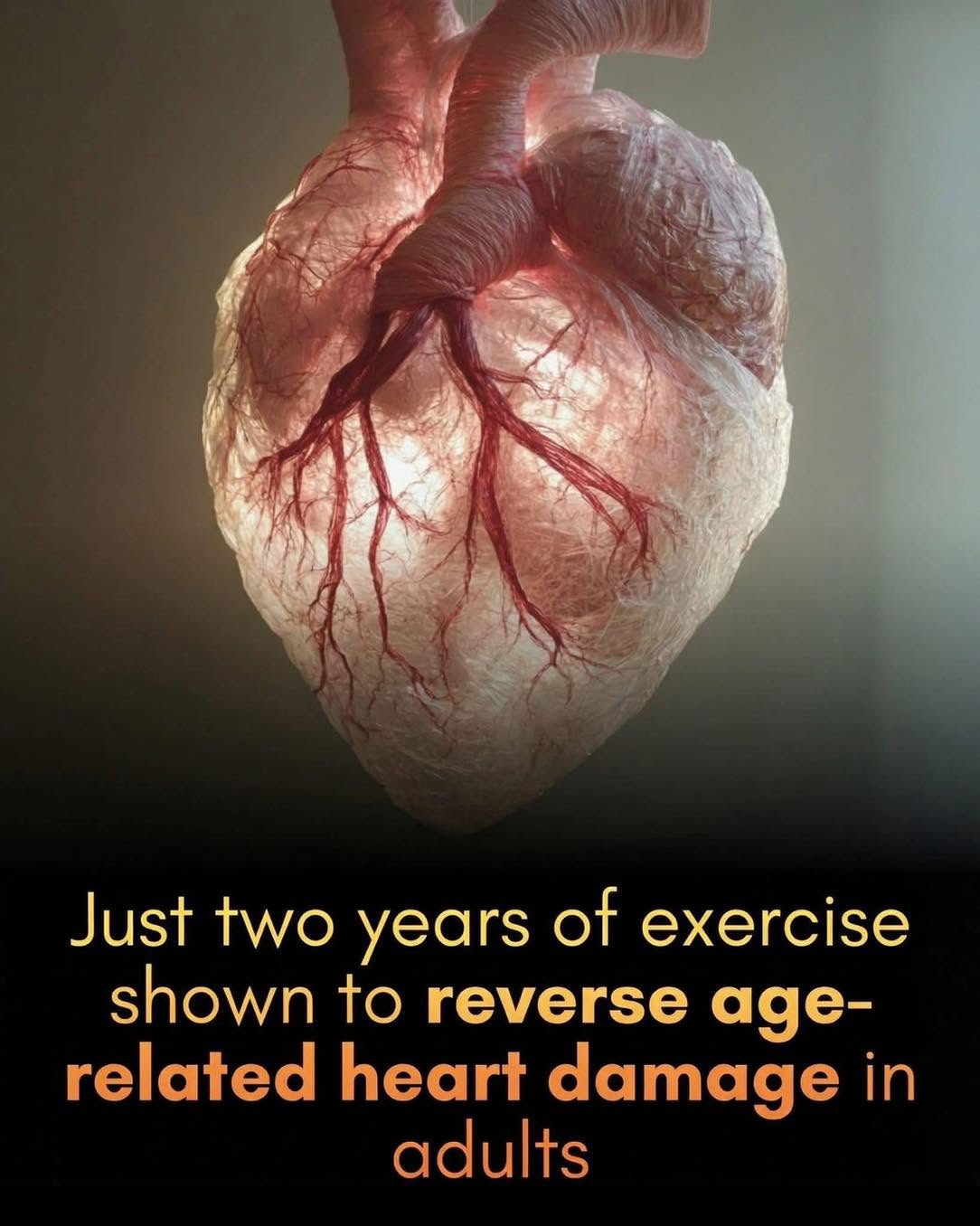
9. Preventing heart failure
By reversing the stiffening of the left ventricle and improving oxygen uptake, consistent exercise significantly reduces the risk of developing heart failure with preserved ejection fraction (HFpEF), a common form of heart failure in older adults. This condition occurs when the heart muscle becomes too stiff to fill adequately, despite normal pumping ability.
Exercise reduces the progression toward HFpEF by restoring heart muscle elasticity, improving vascular function, and lowering blood pressure. This preventive effect can delay or even avoid costly medical interventions, hospitalizations, and declines in quality of life associated with heart failure.
10. Lifestyle integration tips
Integrating the recommended exercise regimen into daily life requires planning and commitment. Here are practical tips to help middle-aged adults incorporate effective cardiovascular and strength training routines:
- Schedule workouts: Treat exercise sessions like important appointments to ensure consistency.
- Start gradually: Begin with moderate-intensity aerobic activities and slowly add HIIT and strength training as fitness improves.
- Use available resources: Home exercise equipment, community gyms, or guided online programs can facilitate varied workouts.
- Incorporate social support: Exercise with friends or groups to enhance motivation and adherence.
- Monitor progress: Use heart rate monitors or fitness trackers to stay within target intensity zones.
- Consult professionals: Work with a certified trainer or physical therapist to tailor exercises safely, especially if existing health issues are present.
When to See a Doctor
Before beginning any new exercise program, particularly for individuals over 50 or those with known cardiovascular risk factors, a medical evaluation is essential. Symptoms such as chest pain, unexplained shortness of breath, dizziness, or palpitations warrant prompt medical attention. Ongoing monitoring by a healthcare provider ensures safe progression and addresses any emerging concerns.
Conclusion
The evidence is clear: starting a structured exercise routine combining aerobic, interval, and strength training before age 65 can reverse significant aspects of age-related heart damage. This approach boosts heart elasticity, improves oxygen delivery, and reduces the risk of heart failure, offering a powerful strategy to reclaim cardiovascular health. Consistency, appropriate intensity, and professional guidance are key to achieving these benefits.
Disclaimer: This article is for informational purposes only and does not substitute professional medical advice. Consult your healthcare provider before making changes to your exercise or health regimen.