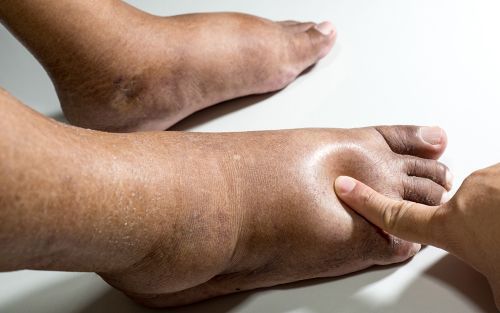
9. Pregnancy-related swelling
Swelling or edema in the feet and ankles is common during pregnancy due to increased blood volume and pressure on veins from the growing uterus. Hormonal changes also cause fluid retention.
This swelling typically appears in the later stages of pregnancy and worsens toward the end of the day or with prolonged standing.
While generally harmless, sudden or severe swelling accompanied by other symptoms like high blood pressure or protein in the urine may signal preeclampsia, a serious pregnancy complication.
- Gradual onset during second and third trimesters
- Swelling usually bilateral and worse in the evening
- Absence of significant pain or redness
- Watch for associated symptoms like headaches or vision changes
Regular prenatal check-ups are essential to monitor and manage swelling during pregnancy.
10. Lifestyle factors
Several lifestyle factors contribute to swollen feet, including prolonged sitting or standing, obesity, high salt intake, and lack of physical activity. These factors promote fluid retention and reduce circulation, especially in the lower extremities.
Simple changes can reduce swelling and improve comfort:
- Elevate legs periodically throughout the day
- Wear compression stockings as recommended
- Maintain a healthy weight and diet low in sodium
- Engage in regular physical activity to improve circulation
- Avoid tight footwear and clothing
When to See a Doctor
Swelling in the feet is often benign but can signal serious health issues. Seek medical evaluation if swelling:
- Is sudden, severe, or asymmetrical (one leg only)
- Is accompanied by pain, redness, or warmth suggesting infection or blood clots
- Occurs with shortness of breath, chest pain, or fatigue
- Is persistent despite home measures
- Develops alongside other concerning symptoms like jaundice or changes in urine
Early diagnosis and treatment of the underlying cause can prevent complications.
Conclusion
Swollen feet are more than just a discomfort; they can be a warning sign of serious conditions such as heart failure, kidney disease, or liver dysfunction. Understanding the potential causes and recognizing accompanying symptoms is crucial for timely medical intervention. Lifestyle changes and proper management can significantly improve symptoms and overall health.
Always consult your healthcare provider for a thorough evaluation if you experience persistent or concerning swelling.
Disclaimer: This article is for informational purposes only and does not substitute professional medical advice. Always seek the guidance of your physician with any questions regarding your health.