3. Vision Problems
Sudden vision disturbances are a key warning sign of stroke. These can include blurred vision, double vision, or sudden loss of vision in one or both eyes. The cause is usually a reduction in blood flow to the visual cortex or optic pathways in the brain.
In practical terms, a person may complain of difficulty seeing, trouble focusing, or a curtain-like shadow over their vision. Sometimes, the field of vision narrows, or one side goes dark, which is called homonymous hemianopia. These symptoms require urgent evaluation because they can precede or accompany other stroke signs.
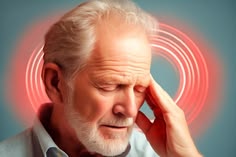
4. Severe Headache
A sudden, severe headache with no known cause can indicate a hemorrhagic stroke, where a blood vessel ruptures and bleeds into the brain. This headache is often described as the worst headache of one’s life and may be accompanied by nausea, vomiting, or altered consciousness.
Unlike typical headaches, this one appears suddenly and intensely, often reaching peak severity within seconds to minutes. Immediate medical attention is necessary to manage bleeding and prevent further brain damage.
5. Dizziness or Loss of Balance
Dizziness, vertigo, or sudden loss of balance can signal a stroke affecting the cerebellum or brainstem. These areas control coordination and equilibrium, so disruption causes difficulty standing, walking, or maintaining posture.
In practice, the person might feel dizzy, unsteady, or unable to walk straight. They may also experience nausea or vomiting due to vestibular system involvement. Because these symptoms can mimic other less serious conditions, it is crucial to consider stroke if they occur suddenly alongside other warning signs.