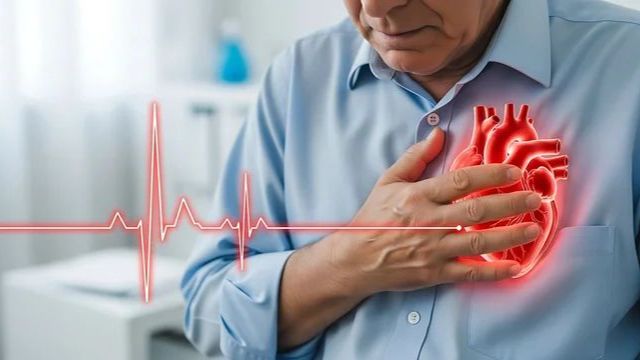
3. Pain in arms or shoulders
Arm or shoulder pain is a common but often overlooked heart attack symptom. The pain typically affects the left arm but can occur in both arms or even the shoulders. This happens because the heart and arms share nerve pathways that can confuse the brain into perceiving heart-related pain as originating from the arm.
The sensation may range from aching, heaviness, numbness, to a burning feeling and can occur alongside or independent of chest pain. Unlike muscle soreness, this discomfort is persistent and not related to physical activity or injury.
Recognizing arm or shoulder pain as a potential sign of heart attack is essential, especially if accompanied by other symptoms.
4. Jaw or neck pain
Jaw and neck pain during a heart attack can mimic dental or throat problems, leading to delayed diagnosis. This pain results from referred pain pathways similar to those causing arm pain. It may feel like a dull ache, tightness, or discomfort in the lower jaw, throat, or neck area.
Notably, this symptom can occur without chest pain, particularly in women. If jaw or neck pain comes on suddenly and is accompanied by sweating, nausea, or difficulty breathing, urgent medical evaluation is necessary.
5. Cold sweat
Breaking out in a cold sweat is a classic autonomic response during a heart attack. As the heart struggles to pump blood, the body activates the sympathetic nervous system, leading to sweating and clamminess despite no external heat or exertion.
This symptom often appears suddenly and can be alarming. It may be accompanied by paleness, cool skin, and a feeling of weakness or faintness.
Cold sweat during chest discomfort or other heart attack signs is an urgent red flag requiring immediate emergency care.