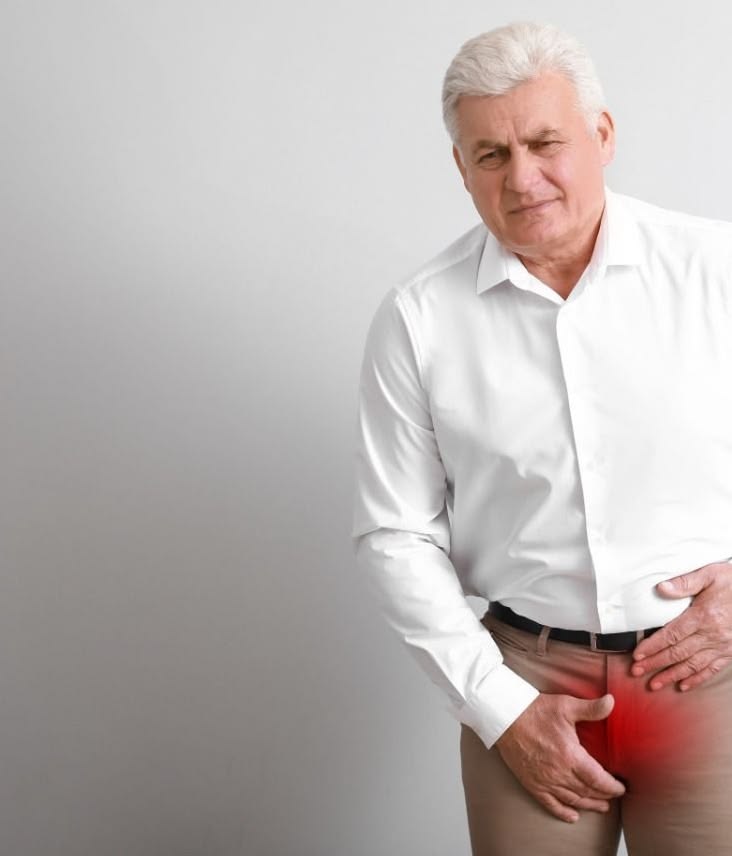
When Groin Pain Signals an Emergency
Groin pain isn’t always just a minor ache. In some cases, it can mean something serious like a hernia complication or testicular torsion, which require immediate medical attention. If your pain is sudden, severe, or accompanied by swelling, fever, or nausea, seek emergency care without delay.
How to Decide What’s Behind Your Groin Pain
Groin pain can come from many causes, and identifying the right one is vital to getting proper treatment. The first step is to determine whether the pain is related to muscles and joints, organs, nerves, or blood flow. Answer these questions to help narrow it down:
- Did the pain start after physical activity or injury?
- Is it sharp, dull, constant, or intermittent?
- Are there urinary symptoms or fever?
- Is the pain on one side or both?
- Is there visible swelling or a lump?
These clues guide your healthcare provider toward the next steps, which may include imaging or lab tests.
Check Your Medicine Cabinet
Some medications can cause groin pain as a side effect or contribute to conditions that cause discomfort. Statins, blood thinners, and certain antibiotics are common culprits. If your pain started after beginning a new medication, mention this to your doctor immediately.
Costs and When to See a Specialist
Diagnosing groin pain can involve visits to primary care, imaging tests like ultrasound or MRI, and sometimes specialist referrals to urologists or orthopedists. In the US, imaging tests typically cost between $200 and $1,500 without insurance. Early diagnosis can prevent costly emergency care later.
Don’t delay seeing a doctor if your symptoms worsen or don’t improve within a few days. Professional evaluation is key to ruling out serious conditions and starting effective treatment.
Here are the 10 hidden causes of groin pain men often miss. Number 7 is the one that can escalate quickly if ignored — and it’s not muscle-related.