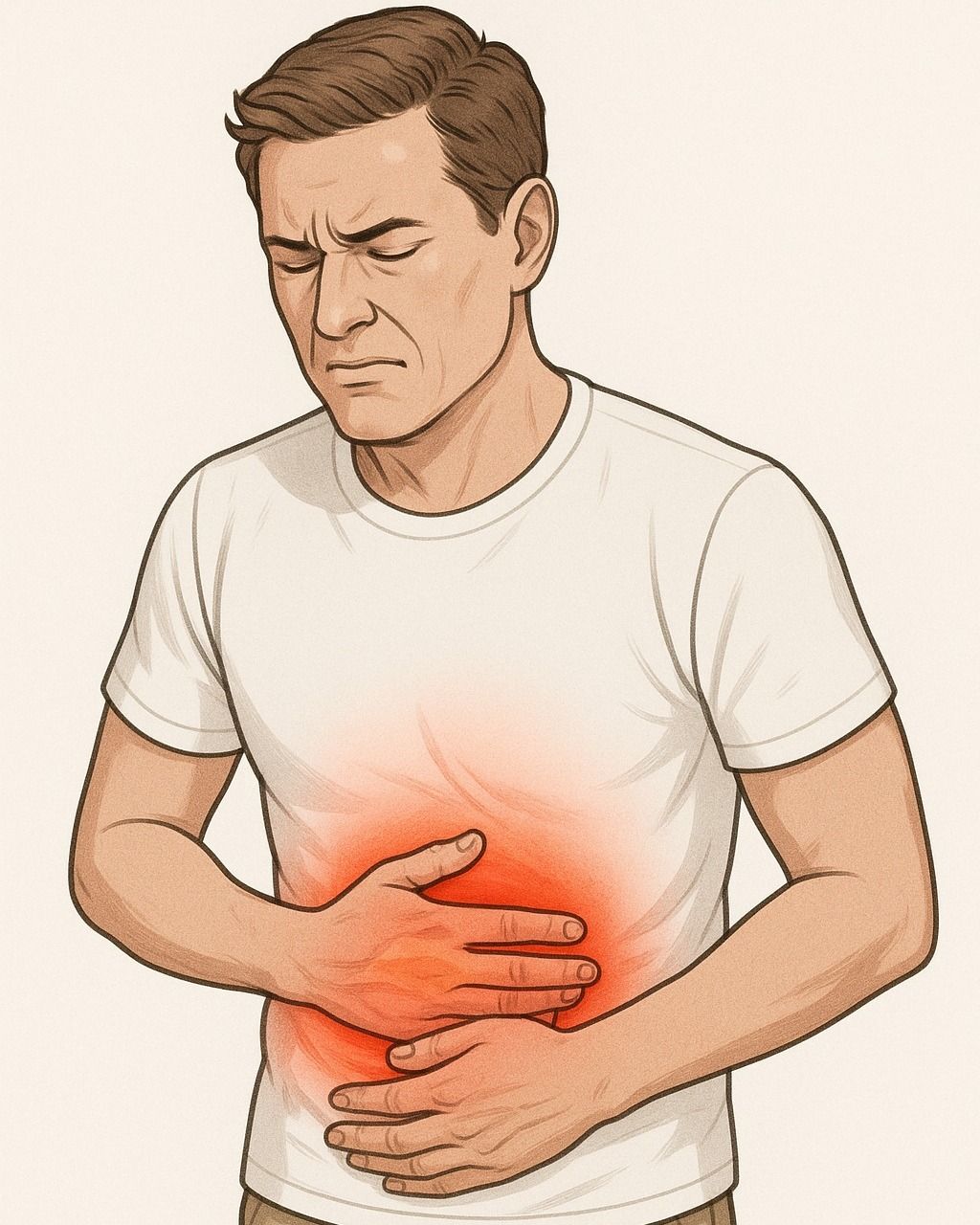
3. Food Intolerances
Food intolerances occur when the digestive system has difficulty processing certain foods, leading to symptoms like persistent stomach pain, bloating, gas, and diarrhea. Unlike food allergies, intolerances do not involve the immune system but result from enzyme deficiencies or sensitivities to food components.
Common examples include lactose intolerance, where the body lacks lactase to digest lactose in dairy, and gluten sensitivity, which can cause symptoms similar to celiac disease without the autoimmune damage. The pain is often crampy and accompanied by other gastrointestinal symptoms shortly after consuming the offending food.
Elimination diets and food diaries are effective tools to identify triggers. Managing intolerances involves avoiding or limiting foods that provoke symptoms and, in some cases, using enzyme supplements such as lactase tablets.
4. Irritable Bowel Syndrome
Irritable bowel syndrome (IBS) is a functional gastrointestinal disorder characterized by persistent abdominal pain associated with altered bowel habits, including diarrhea, constipation, or both. The exact cause is unknown, but it involves gut-brain interaction disturbances, gut motility issues, and heightened pain sensitivity.
IBS-related pain often improves after bowel movements and may be accompanied by bloating, gas, and mucus in the stool. Stress and certain foods can exacerbate symptoms, making management multifaceted.
Treatment focuses on symptom relief through dietary modifications such as a low FODMAP diet, fiber supplementation, and medications targeting bowel motility or pain. Psychological therapies like cognitive-behavioral therapy may benefit some patients.
5. Constipation
Constipation causes persistent stomach discomfort due to infrequent or difficult bowel movements, leading to the buildup of stool in the colon. The resulting distension can cause crampy pain, bloating, and a sensation of fullness or pressure in the lower abdomen.
Common causes include low fiber intake, inadequate hydration, lack of physical activity, and certain medications. Chronic constipation can lead to complications such as hemorrhoids or fecal impaction.
Management involves increasing dietary fiber, drinking sufficient fluids, and regular exercise. Over-the-counter laxatives may provide short-term relief, but persistent constipation warrants evaluation to rule out underlying conditions.