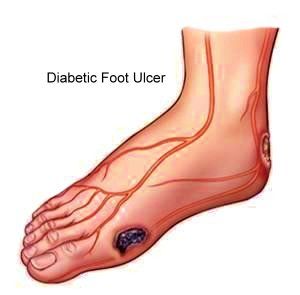
6. Pain or discomfort
Although loss of sensation is common, some people with diabetic neuropathy experience pain, burning, or tingling sensations in their feet. This discomfort can signal nerve inflammation or damage and may coincide with other foot problems that increase ulcer risk.
Pain in the feet—especially if it worsens at night or with certain activities—should prompt a thorough neurological and vascular evaluation. Identifying the exact cause helps guide treatment to improve quality of life and prevent further complications.
Managing diabetic neuropathic pain often involves medications such as anticonvulsants, antidepressants, or topical agents prescribed by your healthcare provider. Additionally, controlling blood sugar tightly can slow the progression of nerve damage.
- Report new or worsening foot pain to your doctor promptly.
- Avoid walking barefoot to prevent injury to numb areas.
- Consider physical therapy or pain management programs if recommended.
7. Signs of infection
Infection is a serious concern when you have diabetes and can rapidly worsen foot ulcers. Signs of infection include increased redness, warmth, swelling, pus or foul odor from a wound, and systemic symptoms like fever or chills.
Infections may start superficially but can spread to deeper tissues such as muscles and bones, leading to conditions like cellulitis or osteomyelitis. Prompt recognition and treatment with appropriate antibiotics and wound care are essential to prevent limb-threatening complications.
If you notice any signs of infection, seek medical attention immediately. Early intervention can reduce the need for hospitalization or surgery.
- Keep wounds clean and covered according to medical advice.
- Do not ignore drainage, foul smell, or increasing pain around ulcers.
- Follow your healthcare provider’s instructions for antibiotics and wound care rigorously.
8. Poor blood circulation
Poor blood circulation, or peripheral arterial disease (PAD), is common in people with diabetes and significantly increases the risk of foot ulcers and delayed healing. Reduced blood flow deprives tissues of oxygen and nutrients, making them more susceptible to injury and infection.
Signs of poor circulation include cold feet, weak or absent pulses in the feet or ankles, slow-healing wounds, and hair loss on the legs or toes. Diagnosing PAD often involves non-invasive tests like the ankle-brachial index (ABI) or Doppler ultrasound.
Treatment may include lifestyle modifications, medications to improve blood flow, and in some cases, surgical procedures such as angioplasty or bypass surgery. Early detection of circulation problems can prevent ulcer formation and reduce the risk of amputation.
- Avoid smoking, which worsens circulation.
- Engage in regular, moderate exercise as advised by your healthcare provider.
- Keep your blood pressure and cholesterol under control.