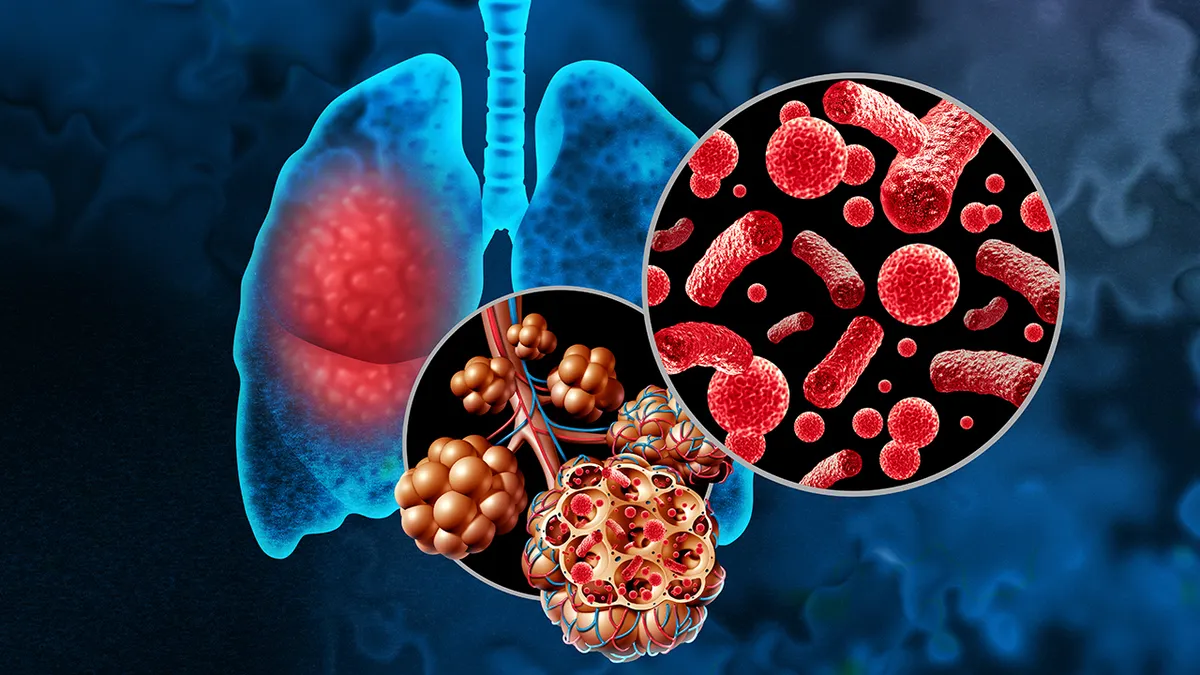
3. Chest Pain
Chest pain in the context of a lung infection is usually sharp or stabbing and worsens with deep breaths, coughing, or movement. This pain often results from pleuritis—an inflammation of the pleura, the thin membrane covering the lungs and lining the chest cavity.
While chest pain can be alarming, it is a sign that the infection has affected the lung lining and can indicate complications such as pleural effusion or empyema (pus collection). The pain is typically localized but may radiate to the shoulder or back.
If chest pain is accompanied by other severe symptoms such as shortness of breath, high fever, or rapid heartbeat, it is critical to obtain immediate medical assessment to rule out life-threatening conditions like pulmonary embolism or cardiac involvement.
4. Fever and Chills
Fever is a hallmark of infection as the body raises its temperature to fight invading pathogens. In lung infections, fevers can be high and persistent, often accompanied by chills and sweating. This systemic response signals your immune system’s active battle against the infection.
While mild fevers can be managed at home with antipyretics, high or prolonged fevers—especially when combined with shaking chills—can indicate severe or spreading infection requiring antibiotics or antiviral medications.
Monitoring the pattern and height of fever helps physicians decide the urgency and type of treatment needed. Sudden spikes or prolonged fevers warrant prompt consultation.
5. Fatigue
Fatigue associated with lung infections is more than simple tiredness. It results from the body’s inflammatory response and decreased oxygen delivery due to impaired lung function. Patients often feel an overwhelming sense of weakness and lack of energy, even after rest.
This symptom can greatly affect daily activities and may persist for weeks after the infection resolves. Severe fatigue, when coupled with other signs such as confusion or rapid heartbeat, can indicate worsening infection or complications like sepsis.
Rest and adequate hydration are important, but persistent or worsening fatigue should prompt a medical evaluation to ensure the infection is adequately controlled.