9. Restless Legs at Night
Restless legs syndrome (RLS), characterized by an uncontrollable urge to move the legs, is increasingly recognized as linked to venous insufficiency. Poor circulation from varicose veins can exacerbate symptoms, especially during periods of rest at night.
This symptom disrupts sleep quality and can contribute to fatigue and reduced daytime functioning. While RLS has multiple causes, its association with varicose veins highlights the broader impact of venous disease on neurological and muscular function.
10. Worsening Vein Appearance
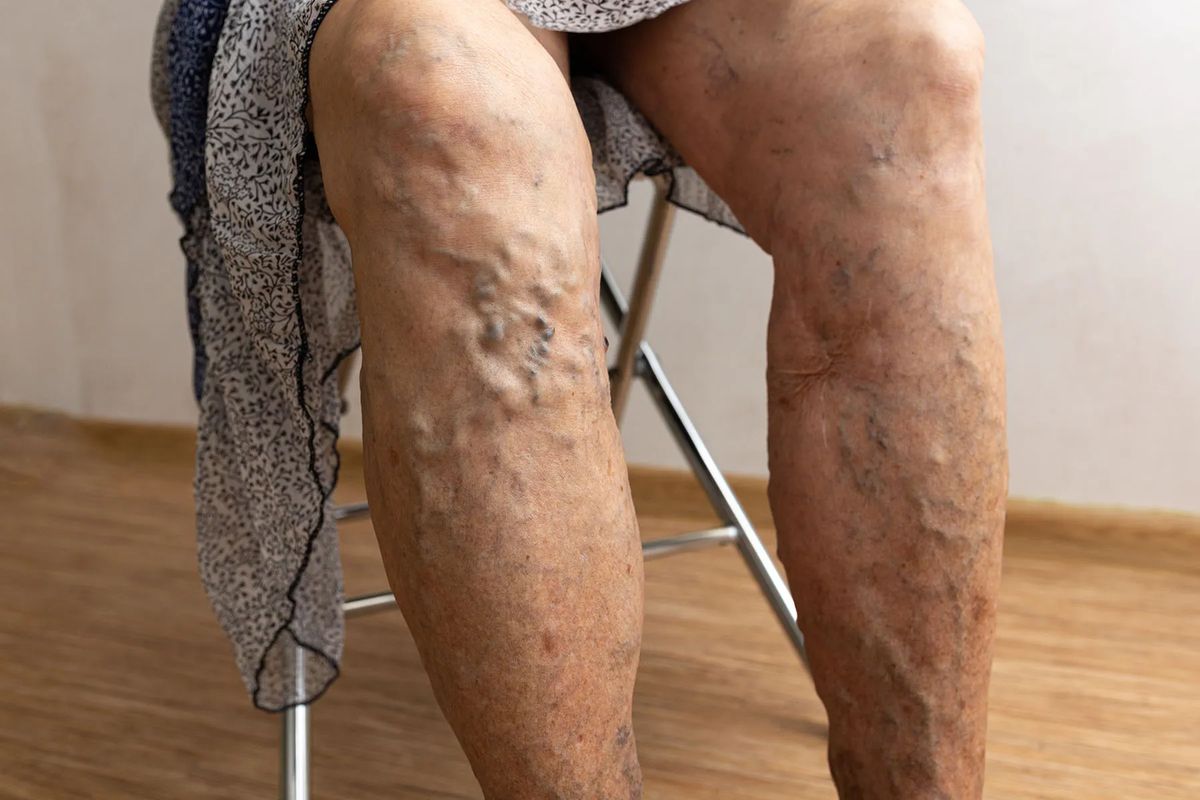
Progressive worsening in the appearance of varicose veins—such as increased size, number, or spreading to new areas—signals advancing venous disease. This progression often accompanies worsening symptoms and raises the risk of complications including ulcers, bleeding, and thrombosis.
Monitoring changes in vein appearance is vital for timely intervention. Treatments like endovenous ablation or ambulatory phlebectomy can halt progression and improve both symptoms and cosmetic concerns.
When to See a Doctor
If you experience any of the above signs, especially leg pain, swelling, skin changes, ulcers, or bleeding, consult a healthcare provider promptly. Early evaluation by a vascular specialist typically involves a physical exam and duplex ultrasound to assess vein function and determine the best treatment approach.
Delaying treatment increases the risk of complications such as deep vein thrombosis, chronic wounds, or infections, all of which require more intensive and costly care.
Conclusion
Varicose veins are often dismissed as a cosmetic issue, but they can signal serious underlying venous disease. Recognizing the warning signs—from visible bulging veins to skin ulcers and bleeding—enables timely intervention that protects your vascular health and quality of life.
Effective treatments are available that can relieve symptoms, prevent complications, and improve leg appearance. If you notice any concerning symptoms, a medical evaluation is essential.
Disclaimer: This article is for informational purposes only and does not replace professional medical advice. Consult your healthcare provider for diagnosis and personalized treatment.