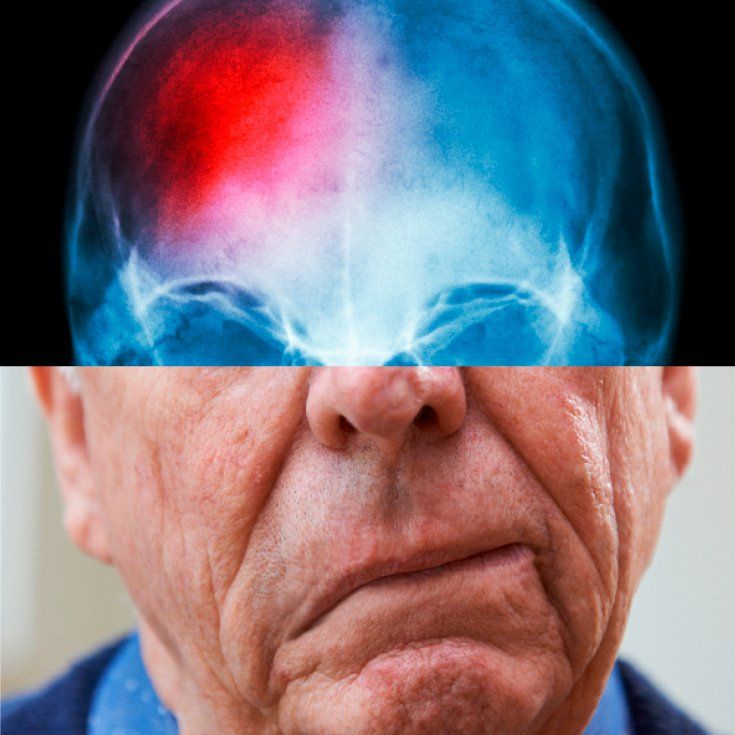
6. Severe headache
A sudden, severe headache with no known cause is a classic warning sign of hemorrhagic stroke, where bleeding occurs within the brain. Unlike typical headaches, this pain is often described as the worst headache of the person’s life and may come on abruptly.
This headache may be accompanied by neck stiffness, nausea, vomiting, or loss of consciousness. The intensity and sudden onset are critical clues distinguishing it from other headache types.
Prompt diagnosis with brain imaging such as a CT scan is necessary to identify hemorrhage and guide emergency treatment, which may include surgery or medications to control bleeding and pressure.
- Recognize the sudden onset of an extremely severe headache.
- Look for associated symptoms like vomiting or neck stiffness.
- Seek emergency care immediately if this occurs.
7. Sudden dizziness
Dizziness or vertigo that appears suddenly can indicate a stroke affecting the brainstem or cerebellum, areas responsible for balance and coordination. Unlike typical lightheadedness, stroke-related dizziness is often severe and accompanied by other neurological symptoms.
This symptom may manifest as a spinning sensation, difficulty standing, or an inability to maintain balance. It often occurs with nausea and vomiting.
Because dizziness is a common complaint, it is important to evaluate it in the context of other stroke signs and risk factors.
- Note sudden onset of spinning or vertigo.
- Check for accompanying nausea or vomiting.
- Observe if the person struggles to stand or walk steadily.
8. Loss of balance
Loss of balance or coordination (ataxia) is a significant stroke symptom when the cerebellum or brainstem is involved. This can cause difficulty walking, frequent falls, or inability to perform coordinated movements.
The person may appear clumsy, stagger when walking, or be unable to touch their finger to their nose accurately.
Since loss of balance can result from many causes, it should be carefully assessed alongside other stroke warning signs.
- Look for sudden unsteadiness or difficulty walking.
- Test coordination by asking the person to touch their nose with their finger.
- Note any new falls or clumsiness.