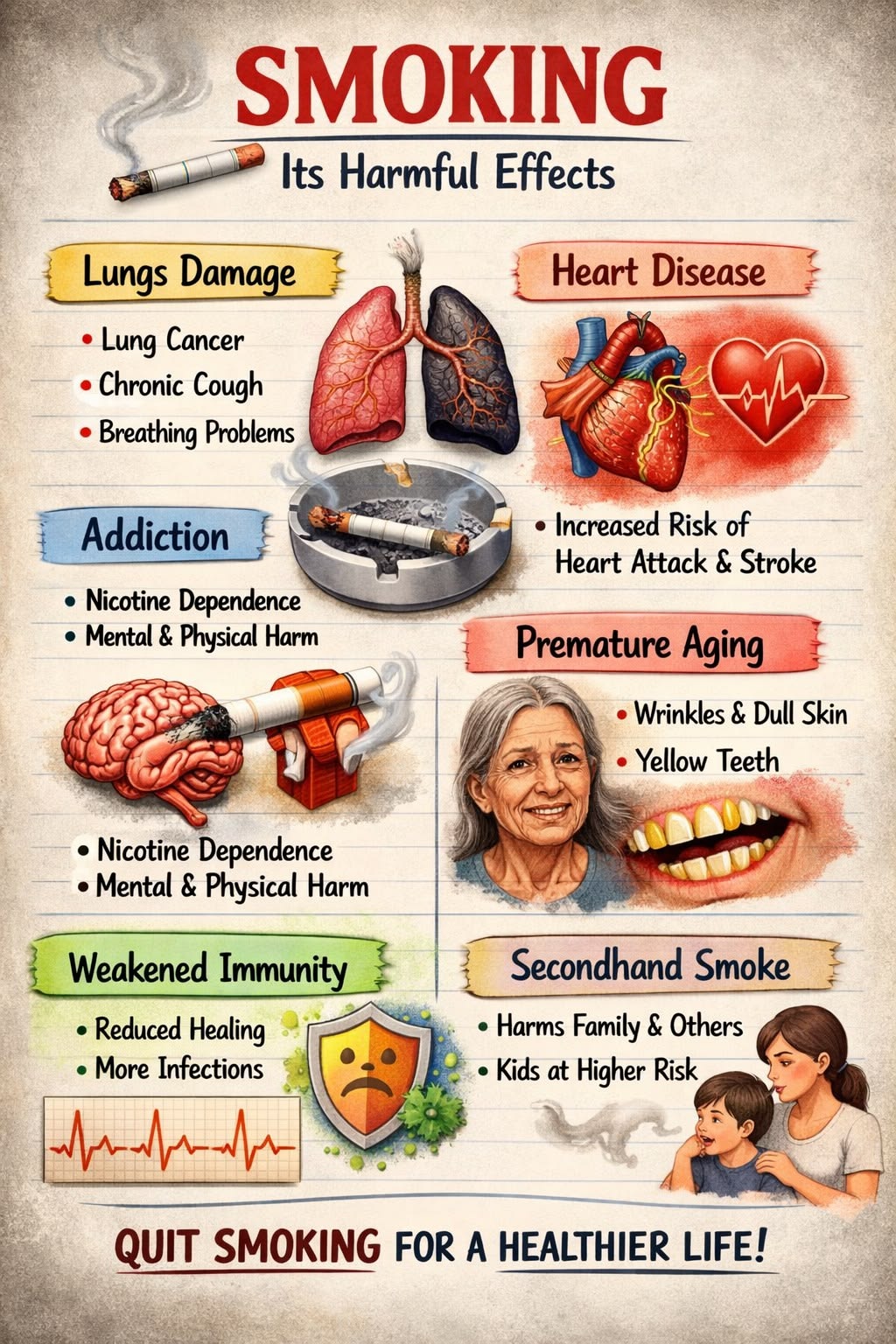
5. Weakened Immunity
Smoking compromises the immune system, making the body less capable of fighting infections and healing wounds. The toxins in tobacco impair the function of immune cells like macrophages and neutrophils, which are critical for identifying and destroying pathogens.
This weakened immunity leads to more frequent and severe respiratory infections such as pneumonia and influenza. Smokers also experience slower recovery from injuries and surgeries due to reduced tissue repair mechanisms.
- Increased susceptibility to infections and prolonged illness durations are common.
- Vaccinations may be less effective in smokers because of immune suppression.
- Maintaining a smoke-free environment supports stronger immune responses.
6. Secondhand Smoke
Secondhand smoke poses serious health risks to family members and others exposed, especially children. The smoke contains many of the same harmful chemicals inhaled by smokers, leading to respiratory problems, increased asthma attacks, and higher risks of sudden infant death syndrome (SIDS) in infants.
Adults exposed to secondhand smoke are also at increased risk for heart disease and lung cancer. Protecting non-smokers from exposure is essential for public health.
- Secondhand smoke exposure can cause coughing, wheezing, and eye irritation.
- Children living with smokers have higher rates of ear infections and bronchitis.
- Creating smoke-free homes and cars is the most effective prevention.
When to See a Doctor
If you experience persistent coughing, unexplained chest pain, shortness of breath, or sudden changes in heart rhythm, seek medical evaluation promptly. Early screening for lung function, cardiovascular health, and cancer is critical for smokers and former smokers, especially those over 40 or with a long smoking history.
Consult your healthcare provider about cessation programs and support options tailored to your needs. If you experience severe withdrawal symptoms or mental health challenges during quitting, professional help is advisable.
Conclusion
Smoking carries a broad spectrum of hidden health costs beyond the well-known risks. Lung damage, heart disease, addiction, premature aging, weakened immunity, and secondhand smoke exposure all contribute to a heavy toll on smokers and those around them. Recognizing these risks underscores the importance of quitting and preventing exposure.
While quitting smoking can be challenging, the health benefits begin almost immediately and increase over time. Support from healthcare professionals and evidence-based treatments significantly improve the chances of success.
Disclaimer: This article is for informational purposes only and does not replace professional medical advice. Always consult a healthcare provider for diagnosis and treatment tailored to your individual needs.