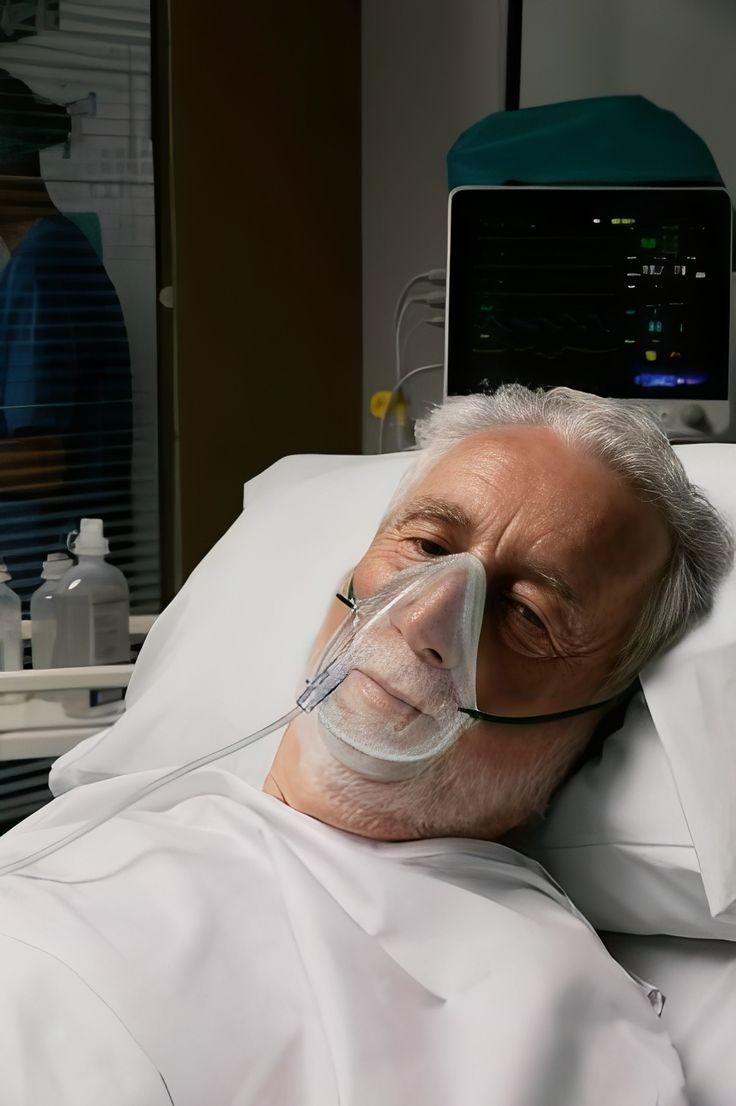
9. Medication Interactions
Many respiratory patients use medications that can interact with oxygen therapy, altering its effectiveness or increasing risks. For example, sedatives and opioids may depress respiratory drive, complicating oxygen needs and monitoring.
Some bronchodilators and corticosteroids, while essential for respiratory conditions, require careful balancing with oxygen levels to avoid side effects such as tachycardia or elevated blood pressure.
Patients should always inform their healthcare provider about all medications they are taking, including over-the-counter drugs and supplements. Never adjust or discontinue medications without professional guidance.
10. When to Seek Help
Knowing when to seek professional medical help is vital for respiratory patients using oxygen therapy. Immediate consultation is necessary if any of the following occur:
- Worsening breathlessness or inability to maintain prescribed oxygen saturation levels.
- New or worsening chest pain.
- Signs of oxygen toxicity or adverse reactions to therapy.
- Equipment malfunction that cannot be resolved safely.
- Confusion, extreme fatigue, or altered mental status.
Regular follow-up appointments with healthcare providers ensure oxygen therapy is optimized and any complications are addressed early.
Practical Guidance, Conclusion, and Disclaimer
Oxygen therapy is a powerful tool in managing respiratory conditions but must be used with precision and care. Proper mask fit, accurate flow rates, appropriate duration, and vigilant monitoring of patient status and equipment function are all essential steps to maximize benefits and minimize risks.
Always adhere strictly to your healthcare provider’s instructions and report any concerning symptoms promptly. Educate yourself and caregivers on emergency signs and ensure oxygen equipment is regularly maintained.
Oxygen therapy mistakes can have serious consequences, but with careful attention to the details outlined here, patients can safely improve their oxygenation and quality of life.
If you or a loved one is undergoing oxygen therapy and experience any troubling symptoms or equipment issues, seek medical advice without delay.
Disclaimer: This article is for informational purposes only and does not replace professional medical advice. Always consult your healthcare provider for guidance tailored to your specific condition.