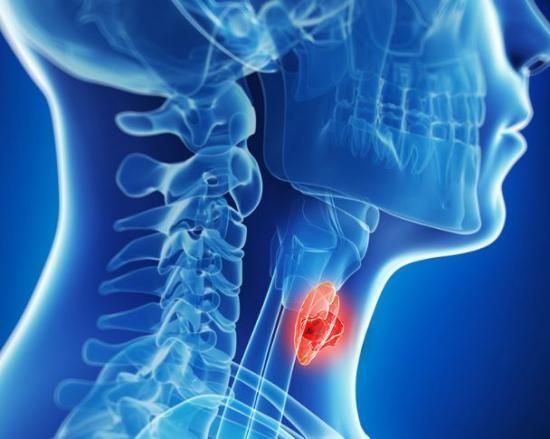
6. Ultrasound Features
Ultrasound is a non-invasive imaging modality that provides detailed information about thyroid nodules. It helps distinguish benign from potentially malignant nodules based on specific characteristics.
Key ultrasound features to assess include:
- Size: Larger nodules, especially over 1 cm, warrant closer evaluation.
- Composition: Solid nodules have a higher risk of malignancy compared to cystic or mixed cystic-solid nodules.
- Margins: Irregular or poorly defined margins suggest invasive growth.
- Microcalcifications: Tiny, punctate calcifications are associated with papillary thyroid carcinoma.
- Shape: Taller-than-wide shape on transverse view is suspicious.
- Vascularity: Increased internal blood flow may indicate malignancy.
Radiologists use these features to assign risk categories, guiding the need for biopsy or monitoring.
7. Fine Needle Biopsy
Fine needle aspiration biopsy (FNAB) is the most definitive method to evaluate the nature of a thyroid nodule. It involves using a thin needle to extract cells from the nodule under ultrasound guidance.
The sample is then examined cytologically to classify the nodule as benign, malignant, indeterminate, or nondiagnostic. FNAB is minimally invasive, typically performed in an outpatient setting with local anesthesia.
Accurate FNAB results help avoid unnecessary surgery in benign cases and expedite treatment for malignant nodules. In some situations, repeat biopsy or molecular testing may be necessary for indeterminate results.
8. Treatment Options
Treatment depends on the diagnosis, nodule size, symptoms, and patient preference. Benign nodules without symptoms typically require no immediate intervention but regular monitoring.
For nodules causing compressive symptoms or cosmetic concerns, options include:
- Surgical removal: Lobectomy or total thyroidectomy depending on nodule extent.
- Minimally invasive procedures: Ethanol injection or radiofrequency ablation for selected benign nodules.
Malignant nodules or those with suspicious cytology generally require surgery followed by additional treatments like radioactive iodine ablation or thyroid hormone suppression therapy, depending on cancer type and stage.