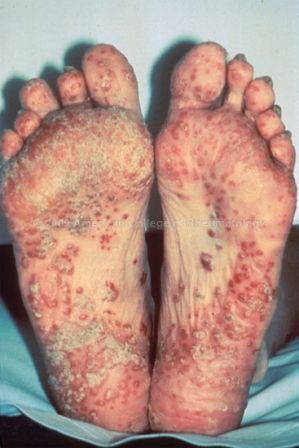
3. Allergic reactions
Allergic reactions on the feet can cause painful red blisters due to hypersensitivity to substances like footwear materials, topical creams, or insect bites. Allergic contact dermatitis may present with blistering, redness, and swelling localized to the area of contact. The blisters often itch intensely and can become secondarily infected if scratched.
Identifying and avoiding the allergen is crucial. Patch testing by a dermatologist can help pinpoint the specific trigger when the cause is unclear.
- Common allergens include nickel in shoe buckles, rubber components, and certain fabrics.
- Over-the-counter antihistamines and topical corticosteroids may relieve symptoms.
- Avoid scratching to reduce infection risk.
4. Contact dermatitis
Contact dermatitis overlaps with allergic reactions but also includes irritant contact dermatitis, where repeated exposure to harsh chemicals or moisture damages the skin barrier, causing blistering and redness. This is common in people who wear occlusive footwear for extended periods or expose their feet to detergents or solvents.
This condition typically improves with avoidance of irritants and protective measures such as moisture-wicking socks and barrier creams.
- Symptoms include burning, stinging, and blister formation on pressure points or exposed areas.
- Chronic cases may lead to thickened, cracked skin.
- Proper foot hygiene and protective gear are preventive.
5. Vascular disorders
Vascular issues can cause painful red blisters on the feet by impairing blood flow and damaging skin integrity. Conditions like venous stasis dermatitis, often linked with chronic venous insufficiency, cause swelling, redness, and blistering around the ankles and feet due to fluid accumulation and inflammation.
Other vascular causes include diabetic foot ulcers where small blisters form on areas of pressure and trauma, frequently complicated by neuropathy and poor circulation.
- Symptoms may include skin discoloration, warmth, and leg heaviness.
- Prompt vascular assessment is important to prevent ulceration and infection.
- Treatment may involve compression therapy, wound care, and managing underlying disorders.