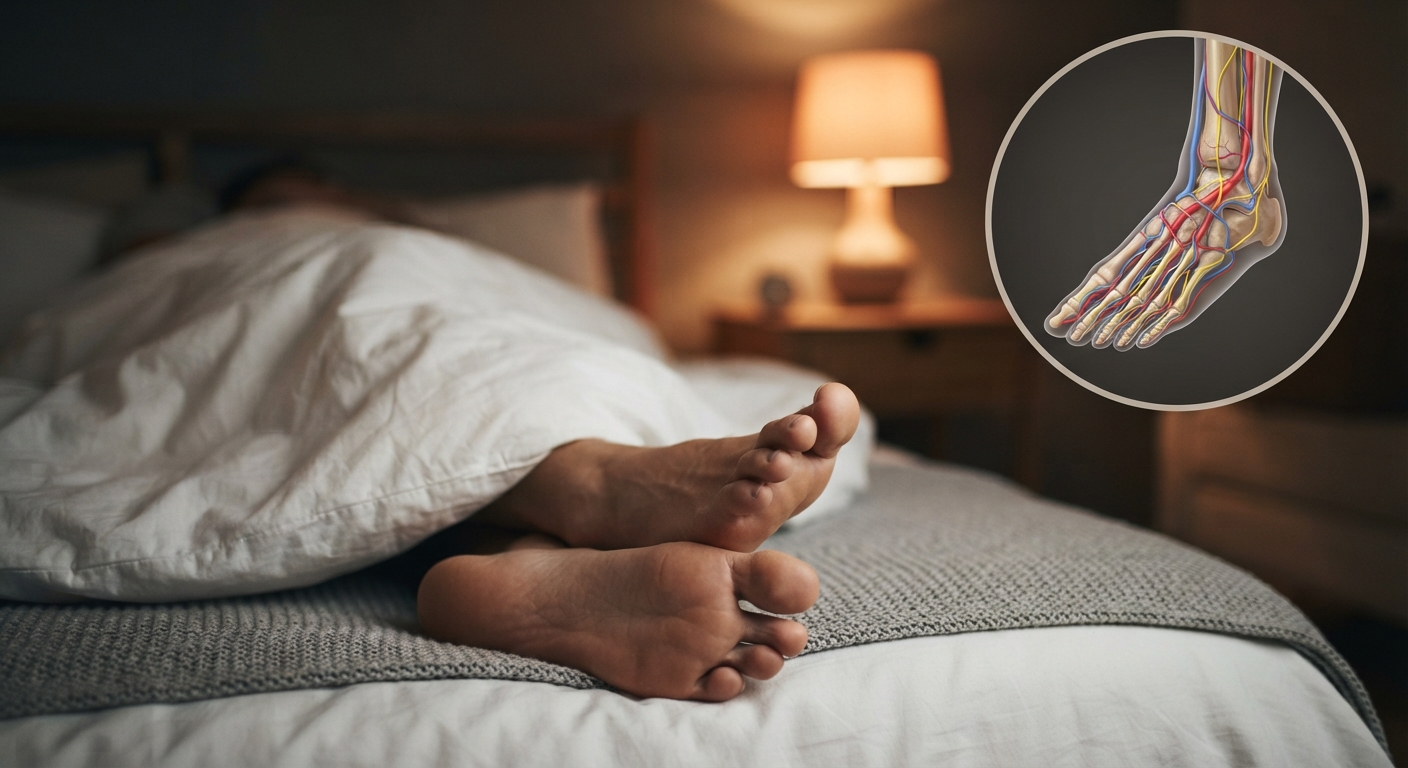
1. Poor Circulation
Poor circulation is one of the most common medical reasons for cold feet at night. When blood flow to the extremities is reduced, the feet receive less warm blood, causing them to feel cold. This condition can arise from atherosclerosis (hardening of the arteries), peripheral artery disease (PAD), or even chronic conditions like diabetes.
In practice, poor circulation might cause not only cold feet but also numbness, tingling, or pain, especially during activity. At night, when you are lying down and less active, the reduced circulation can become more noticeable. Your feet may also appear pale or bluish.
If you suspect poor circulation, a healthcare provider can perform tests such as an ankle-brachial index (ABI) or Doppler ultrasound to assess blood flow. Treatment may involve lifestyle changes like increased exercise, smoking cessation, or medications to improve circulation.
2. Nerve Damage
Nerve damage, or peripheral neuropathy, can also cause cold sensations in the feet. This damage interferes with the nerves’ ability to transmit temperature signals properly, causing abnormal feelings of coldness even when the environment is warm.
Common causes of peripheral neuropathy include diabetes, vitamin deficiencies (especially B12), chronic alcohol use, and certain infections. Symptoms often include burning, tingling, or numbness along with the cold sensation.
Addressing the underlying cause of nerve damage is crucial. For example, strict blood sugar control in diabetes or vitamin supplementation in deficiencies can help. A neurologist can help diagnose peripheral neuropathy through nerve conduction studies and recommend appropriate treatment.
3. Hypothyroidism
Hypothyroidism, a condition where the thyroid gland produces insufficient thyroid hormones, slows down metabolism and can impair circulation, leading to cold feet—especially at night. This condition can also cause fatigue, weight gain, dry skin, and sensitivity to cold.
In hypothyroidism, the body’s reduced metabolic rate means less heat production overall. This systemic effect often makes extremities, like feet and hands, feel colder than usual.
A simple blood test measuring thyroid-stimulating hormone (TSH) and free thyroxine (T4) levels can diagnose hypothyroidism. Treatment typically involves daily thyroid hormone replacement therapy, which often improves symptoms including cold feet.