1. Orthostatic Hypotension
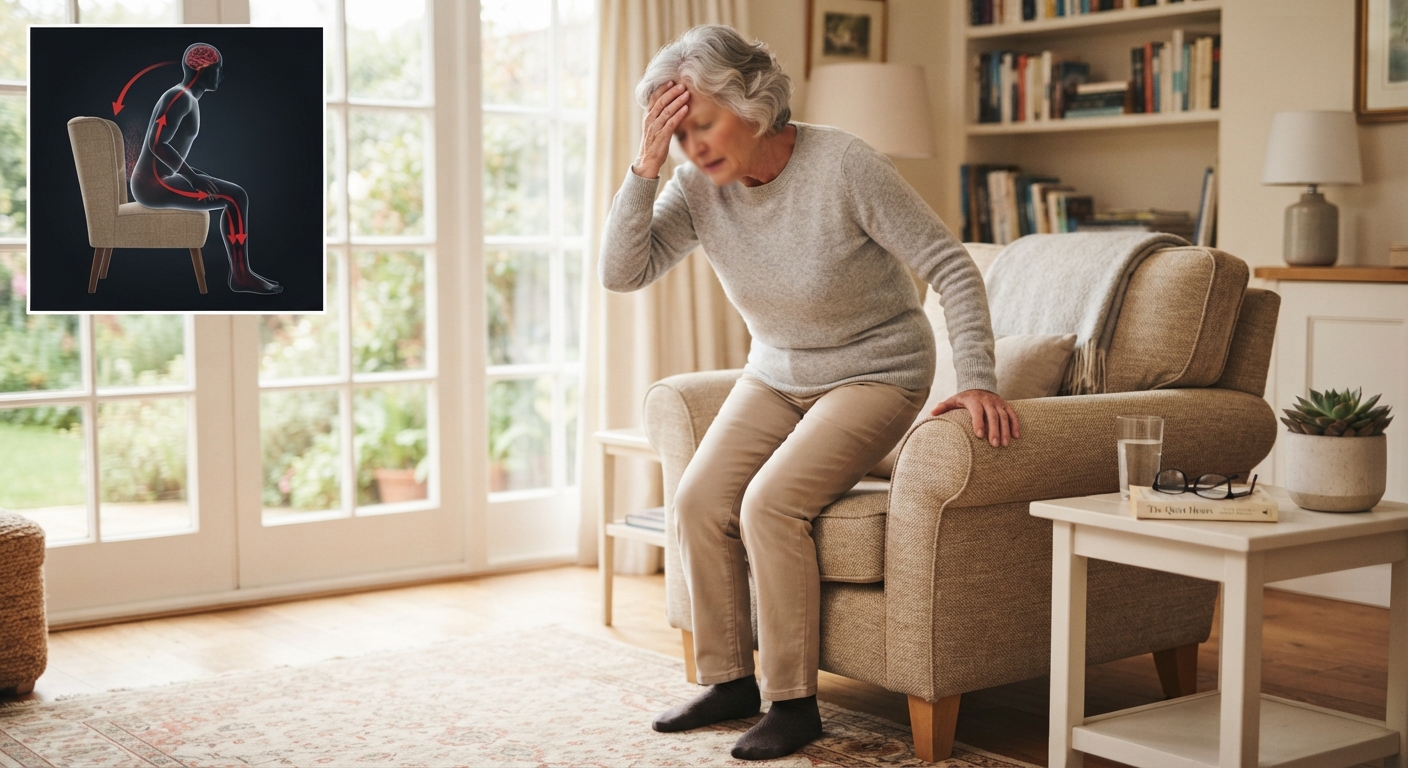
Orthostatic hypotension is a common cause of dizziness when standing up. It occurs when your blood pressure drops suddenly as you move from sitting or lying down to standing. This drop reduces blood flow to your brain, causing lightheadedness or even fainting.
This condition can happen due to dehydration, certain medications, or nervous system disorders. It is especially prevalent in older adults or people with diabetes or Parkinson’s disease, where the autonomic nervous system doesn’t regulate blood pressure effectively.
If you experience dizziness primarily within the first minute of standing, orthostatic hypotension is a likely cause. Diagnosis involves measuring blood pressure while lying down, sitting, and standing.
- Stand up slowly to minimize symptoms
- Increase fluid and salt intake if advised by your doctor
- Wear compression stockings to improve blood flow
2. Medication Side Effects
Many medications can cause dizziness upon standing as a side effect. Common culprits include blood pressure drugs such as beta-blockers, diuretics, and alpha-blockers, as well as antidepressants and sedatives.
These medications may lower blood pressure or affect the central nervous system, leading to impaired balance and dizziness. If you notice dizziness after starting a new medication or adjusting the dose, consult your prescribing doctor rather than stopping the medication yourself.
Your doctor might adjust the dose, switch to a different drug, or recommend timing changes to reduce side effects.
3. Dehydration
Dehydration lowers your blood volume, making it harder for your heart to maintain adequate blood flow to the brain when you stand up. This often causes dizziness or lightheadedness, especially if you have been sweating excessively, vomiting, or not drinking enough fluids.
Besides dizziness, dehydration symptoms include dry mouth, fatigue, dark urine, and muscle cramps. Older adults and people with chronic illnesses are at higher risk.
- Drink plenty of water throughout the day
- Replenish electrolytes after heavy sweating or illness
- Avoid excessive caffeine or alcohol, which can worsen dehydration