5. Muscle Fatigue or Overuse
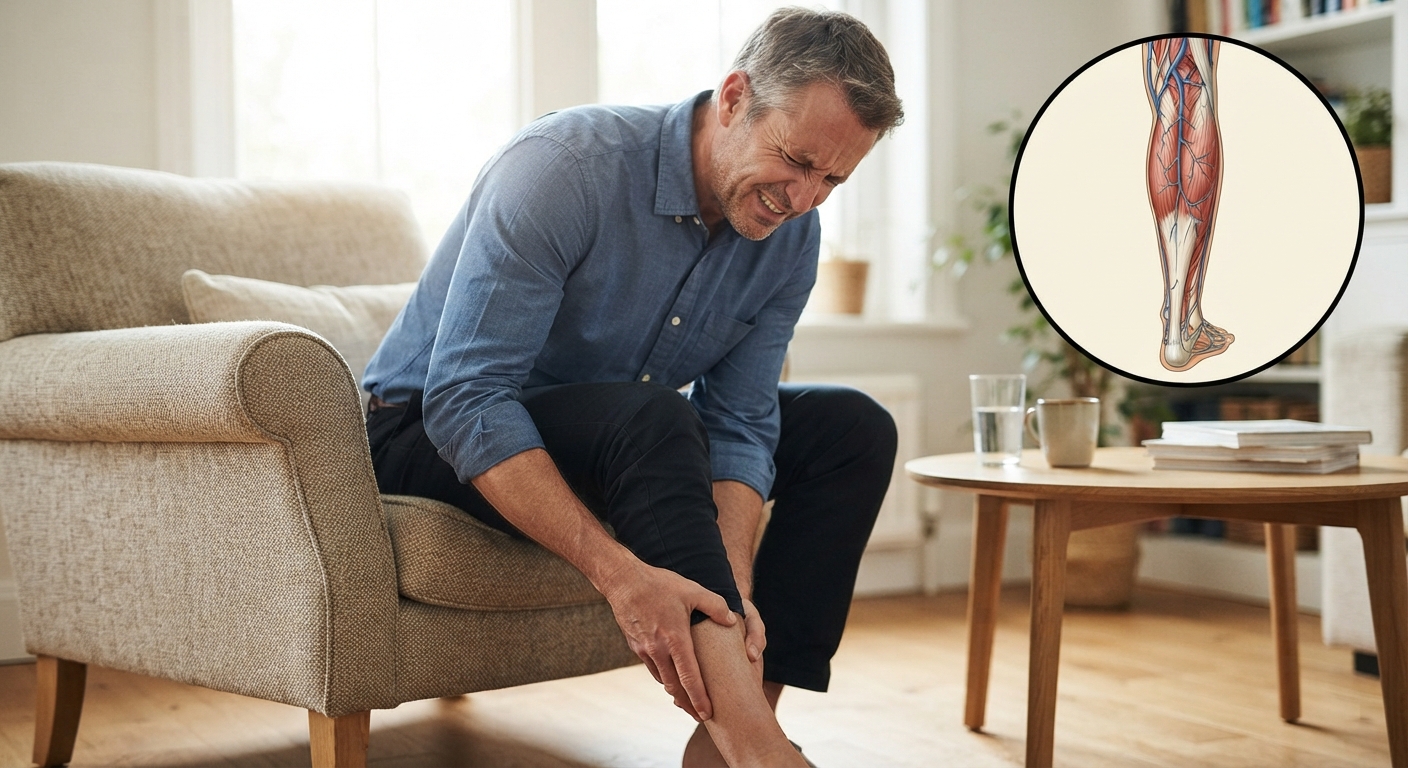
Muscle fatigue from overuse is a frequent contributor to cramps after sitting. If you have recently engaged in intense physical activity, especially involving your legs, tired muscles may cramp more easily when at rest. This is due to the accumulation of metabolic waste products and temporary depletion of energy stores in muscle fibers.
For example, long walks, running, or standing for extended periods before sitting can make your calf muscles more susceptible to cramping. Inadequate stretching or sudden changes in activity levels also increase this risk.
Preventing cramps related to muscle fatigue involves proper warm-up and cool-down routines, gradual increases in exercise intensity, and ensuring adequate rest between workouts.
- Incorporate regular stretching focused on calf and thigh muscles.
- Allow sufficient recovery time after strenuous leg activities.
- Stay hydrated and maintain balanced nutrition to support muscle repair.
6. Underlying Medical Conditions
Persistent or severe leg cramps after sitting may indicate underlying medical conditions that require evaluation. Some chronic issues linked to muscle cramps include diabetes mellitus, peripheral artery disease, thyroid disorders, and electrolyte imbalances caused by kidney or liver disease.
Neurological conditions such as multiple sclerosis or peripheral neuropathy can also present with cramping and muscle spasms. Identifying these conditions early through medical assessment allows targeted treatment and improves quality of life.
If leg cramps are accompanied by other symptoms like swelling, redness, persistent pain, or skin changes, urgent evaluation is necessary to exclude serious problems like deep vein thrombosis.
When to See a Doctor
- If leg cramps occur frequently, are severe, or do not improve with home remedies.
- If cramps are accompanied by swelling, redness, numbness, or muscle weakness.
- If you have a history of chronic illnesses such as diabetes, vascular disease, or neurological disorders.
- If new medications coincide with the onset of cramps.
- If you experience sudden, intense leg pain or signs of blood clots.
Conclusion
Leg cramps after sitting are often linked to common factors like dehydration, poor circulation, medication effects, nerve issues, muscle fatigue, or underlying health problems. Understanding these causes helps you take practical steps such as staying hydrated, moving regularly, managing medications, and seeking medical evaluation when needed. Early attention to symptoms can prevent complications and improve comfort.
Disclaimer: This information is not a substitute for professional medical advice. Consult your healthcare provider for diagnosis and treatment tailored to your specific condition.