7. Environmental factors
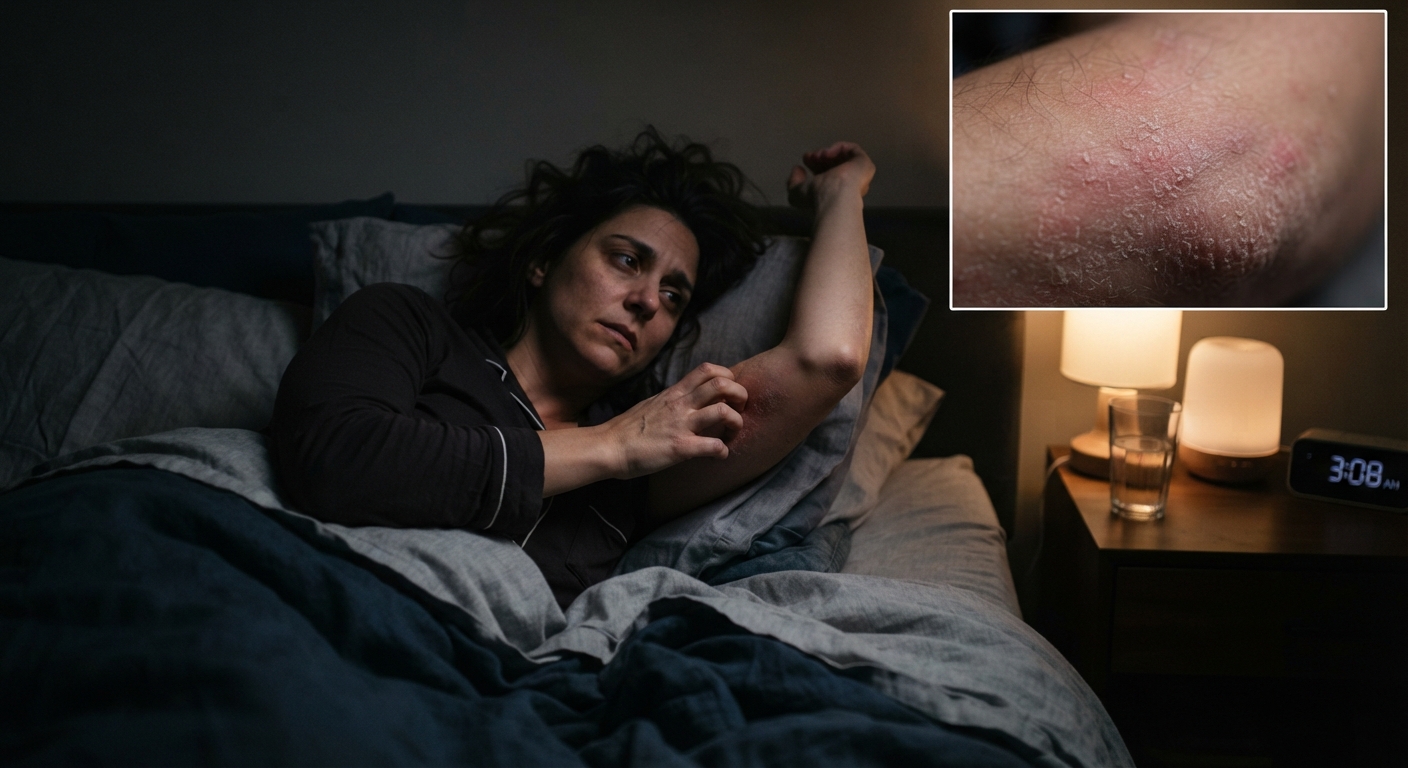
Environmental conditions in your bedroom can play a significant role in nighttime itching. Dry air, temperature fluctuations, and exposure to irritants like dust, pet dander, or synthetic fabrics can all worsen skin irritation when you are trying to sleep.
Heating and air conditioning systems can reduce indoor humidity, leading to drier skin and increased itchiness. Similarly, certain detergents or fabric softeners used on bedding may contain chemicals that provoke irritation or allergic responses.
To improve your sleep environment and reduce itching:
- Use a humidifier to maintain indoor humidity between 40-60%.
- Choose natural, breathable bedding materials like cotton or linen.
- Wash bedding regularly in mild, fragrance-free detergents.
- Keep the bedroom clean and free of dust and pet hair.
- Maintain a comfortable room temperature, ideally between 60-67°F (15-19°C).
When to see a doctor
If nighttime itching persists despite home care, or if it is accompanied by symptoms such as rash, swelling, unexplained weight loss, jaundice, fatigue, or sleep disruption, it is important to seek medical evaluation. A healthcare provider can diagnose underlying causes through physical examination, allergy testing, blood tests, or skin biopsies if needed.
Prompt diagnosis and appropriate treatment can improve quality of life and prevent complications, especially when systemic diseases or severe skin conditions are involved.
Conclusion
Nighttime itching can arise from a variety of causes, ranging from simple dry skin to complex systemic illnesses. Understanding these triggers helps target effective treatments and improve sleep quality. Maintaining good skin hydration, optimizing your sleep environment, and seeking medical advice when needed are key steps to managing nighttime itch.
This information is intended for educational purposes and is not a substitute for professional medical advice. Always consult your healthcare provider for diagnosis and treatment tailored to your specific condition.