9. Treatment options
Treating a blood clot in the leg primarily involves anticoagulation therapy to prevent clot growth and reduce the risk of pulmonary embolism. Common medications include direct oral anticoagulants (DOACs) and low molecular weight heparin. Treatment duration varies but commonly lasts from three to six months depending on individual risk factors.
In severe cases with large clots, procedures such as catheter-directed thrombolysis or surgical thrombectomy may be considered to remove the clot.
Compression stockings are often recommended to reduce swelling and prevent post-thrombotic syndrome, a chronic condition causing leg pain and swelling after DVT.
10. Prevention strategies
Preventing blood clots involves addressing modifiable risk factors and adopting lifestyle changes. For those at risk, these strategies include:
- Staying active and avoiding prolonged immobility, especially during travel or after surgery.
- Using compression stockings when advised by a healthcare provider.
- Maintaining a healthy weight and quitting smoking.
- Managing underlying conditions like diabetes and heart disease.
- Discussing medication risks with your provider, especially when starting hormone therapy.
When to See a Doctor
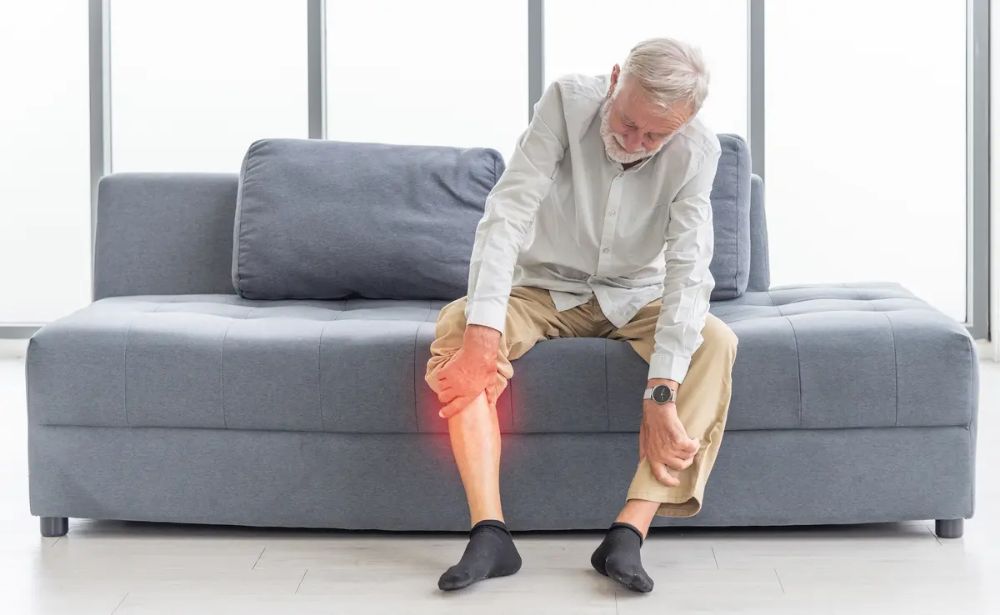
If you notice persistent, unexplained leg pain accompanied by swelling, redness, or warmth, especially in one leg, seek medical evaluation promptly. Immediate care is crucial if symptoms worsen rapidly or if you develop chest pain, shortness of breath, or other signs of pulmonary embolism.
Conclusion
Leg pain can signal many conditions, but when associated with swelling, redness, and warmth, a hidden blood clot should be considered. Early recognition and treatment are vital to prevent serious complications. Understanding the signs, risk factors, and when to get medical help can protect your health and save lives.
Disclaimer: This article is for informational purposes only and does not replace professional medical advice. Always consult your healthcare provider for diagnosis and treatment.