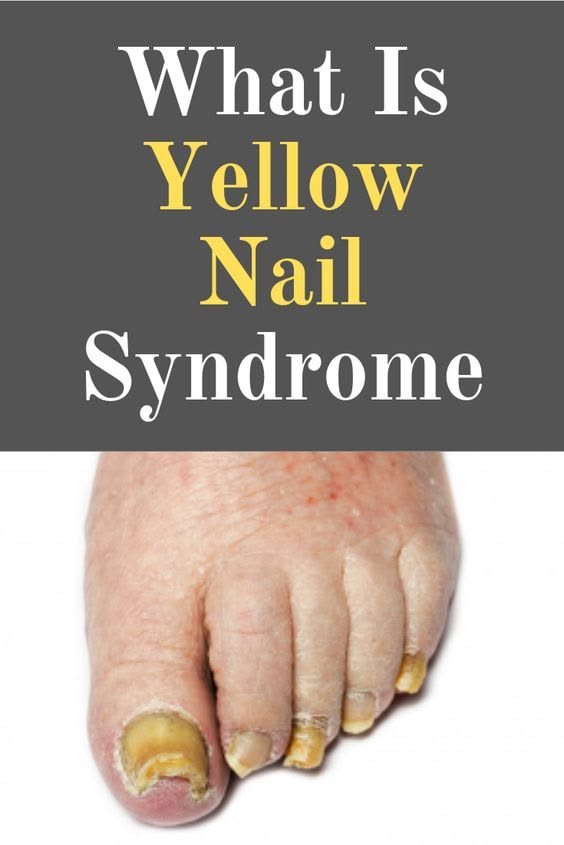
1. Yellow nail appearance
The hallmark of Yellow Nail Syndrome is the distinctive discoloration of the nails. This is not simply a cosmetic issue; the nails typically develop a yellow to yellow-green hue, often accompanied by thickening and an abnormal curvature. The nail surface may appear ridged, brittle, or unusually slow-growing compared to normal nails.
This yellowing results from impaired lymphatic drainage in the nail matrix, leading to accumulation of fluid and altered nail formation. In some cases, nails may separate from the nail bed, a condition known as onycholysis, which increases the risk of secondary infections.
It’s important to note that yellow nails alone do not confirm Yellow Nail Syndrome, as similar changes can occur with fungal infections or other systemic diseases. However, when combined with other symptoms, they strongly suggest this rare condition.
2. Respiratory symptoms
Respiratory issues are a critical component of Yellow Nail Syndrome and can significantly impact a patient’s quality of life. Common respiratory symptoms include chronic cough, recurrent bronchitis, and pleural effusions—fluid buildup between the lung and chest wall.
This syndrome often involves impaired lymphatic drainage in the lungs, leading to persistent or recurrent pleural effusions that may require medical intervention such as thoracentesis or chest tube placement. Additionally, patients may experience shortness of breath, wheezing, or signs of chronic bronchitis.
Respiratory complications can sometimes precede nail changes, making early recognition key to prompt diagnosis and treatment. Persistent respiratory symptoms without clear cause warrant evaluation for Yellow Nail Syndrome, especially if accompanied by nail abnormalities.