9. Medications to check
Certain medications can exacerbate or mimic symptoms similar to those seen in Yellow Nail Syndrome. It is important to review your current medications with your healthcare provider, especially if you are taking:
- Beta-blockers or calcium channel blockers, which can sometimes cause nail changes.
- Medications that induce fluid retention, potentially worsening lymphedema.
- Drugs with immunosuppressive effects that may increase the risk of infections.
Never discontinue prescribed medications without consulting your prescriber, but informing them about your symptoms will help tailor your treatment safely.
10. Lifestyle adjustments
Adopting certain lifestyle changes can support symptom management and improve quality of life for those with Yellow Nail Syndrome. These include:
- Maintaining good nail hygiene and avoiding trauma to nails to prevent secondary infections.
- Using compression garments consistently as recommended to control lymphedema.
- Engaging in regular physical activity to promote lymphatic drainage and lung function.
- Avoiding smoking and exposure to respiratory irritants to reduce lung complications.
- Eating a balanced diet rich in nutrients that support immune health and tissue repair.
These adjustments, combined with medical treatment, can help minimize symptom severity and progression.
When to See a Doctor
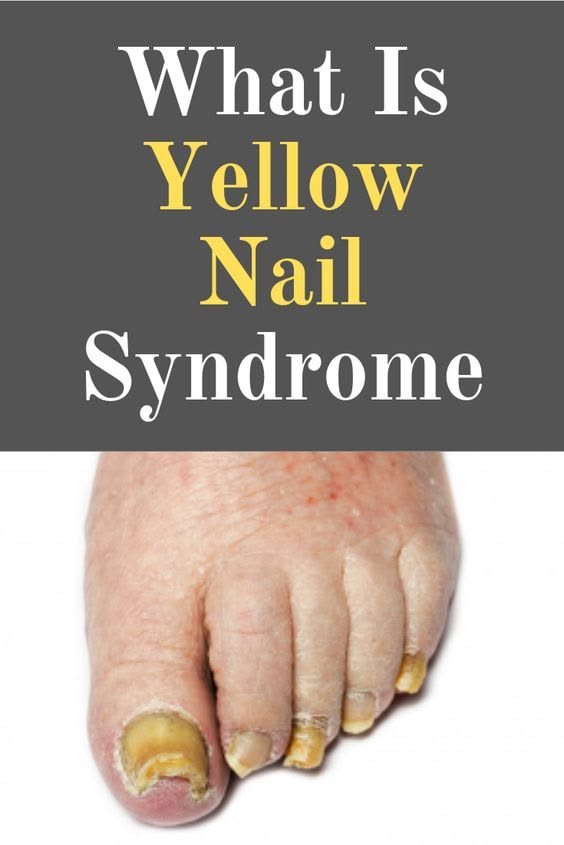
If you experience any combination of yellow nail discoloration, persistent limb swelling, or chronic respiratory symptoms, schedule an appointment with a healthcare professional. Early evaluation allows for accurate diagnosis and timely management, which can prevent serious complications.
Conclusion
Yellow Nail Syndrome is a rare but significant condition marked by distinctive nail changes, respiratory problems, and lymphedema. While it has no definitive cure, recognizing the syndrome early and managing its symptoms can greatly improve patient outcomes. Collaboration between patients and healthcare providers is essential to tailor treatments and monitor for complications.
This information is for educational purposes and is not a substitute for professional medical advice. Always consult your doctor for diagnosis and treatment decisions.