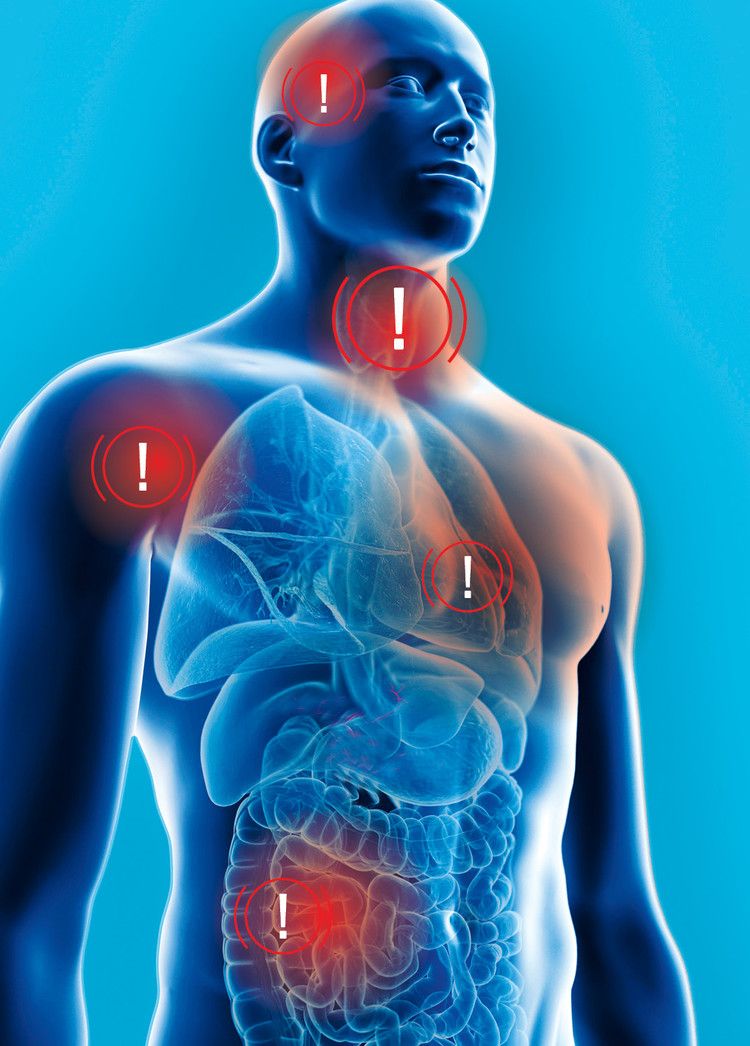
1. Head pain
Head pain, or headaches, can range from mild discomfort to debilitating episodes. While many headaches stem from tension, dehydration, or sinus congestion, some types signal more serious conditions. Migraines, characterized by throbbing pain often accompanied by nausea or sensitivity to light, require targeted treatment to prevent worsening symptoms.
More concerning are sudden, severe headaches known as thunderclap headaches, which could indicate bleeding in the brain (subarachnoid hemorrhage) or other emergencies. Additionally, headaches accompanied by neurological symptoms like vision changes, weakness, or confusion warrant immediate medical attention.
- Tension headaches: usually dull, bilateral, and linked to stress or poor posture.
- Migraine: often unilateral, pulsating, and associated with sensory disturbances.
- Cluster headaches: severe, localized around one eye, often recurring in patterns.
- Thunderclap headache: sudden onset, extremely severe, an emergency.
If headaches become frequent, progressively severe, or are accompanied by other neurological signs, prompt evaluation with brain imaging and neurologic assessment may be necessary.
2. Neck pain
Neck pain commonly results from muscle strain, poor posture, or degenerative changes in the cervical spine. However, persistent or severe neck pain can indicate more serious problems such as cervical radiculopathy, spinal stenosis, or even infections like meningitis.
Cervical radiculopathy occurs when a nerve root in the neck is compressed, causing pain that radiates down the arm along with numbness or weakness. Spinal stenosis involves narrowing of the spinal canal, potentially leading to nerve compression symptoms that require specialist evaluation.
Red flags include neck pain after trauma, loss of bladder or bowel control, fever, or severe stiffness. Imaging studies such as MRI or CT scans help diagnose structural issues, while blood tests may identify infection or inflammation.
- Muscle strain: common and usually resolves with rest and physical therapy.
- Cervical radiculopathy: nerve root compression causing radiating arm pain.
- Spinal stenosis: narrowing of spinal canal causing nerve symptoms.
- Infections or tumors: rare but serious causes needing urgent care.
Early diagnosis and appropriate management can prevent chronic pain and disability.