Why Hidden Sodium in Foods Matters More Than You Think
High sodium intake is a leading contributor to hypertension, heart disease, and stroke. While many people know to watch the salt shaker, an often-overlooked source of sodium comes from everyday foods that don’t taste salty. This hidden sodium can push daily consumption well beyond the American Heart Association’s recommended limit of 2,300 mg, and ideally below 1,500 mg for most adults with health concerns.
If you have high blood pressure, kidney disease, or heart conditions, controlling sodium intake is vital to prevent costly medical complications. For example, managing hypertension effectively can reduce annual healthcare costs by thousands of dollars and lower your risk of hospitalization.
How to Recognize Hidden Sodium: The First Step
Start by categorizing the foods you consume into two groups: those that obviously taste salty and those that don’t but still contain substantial sodium. This distinction helps target dietary changes without sacrificing flavor or satisfaction.
Check nutrition labels carefully, especially the sodium content per serving. Foods that don’t taste salty can still have hundreds of milligrams per portion. Overlooking these can easily lead to consuming double or triple the recommended daily sodium.
Medication and Sodium: What to Check in Your Medicine Cabinet
Many over-the-counter and prescription medications contain sodium compounds, which can add to your overall daily intake. Common examples include antacids, effervescent tablets, and certain cold medications. If you are managing sodium-sensitive conditions, review your medicines with your healthcare provider to assess their sodium content and consider alternatives if needed.
Cost Impact of High Sodium Diets
Beyond health risks, high sodium diets contribute to increased healthcare expenses. Treating hypertension-related complications, cardiovascular events, and kidney disease can rack up substantial costs, including doctor visits, prescriptions, and hospital stays. Preventing these by managing sodium intake effectively can save thousands annually.
Practical Tips for Managing Sodium Intake
- Always read nutrition labels, focusing on sodium per serving.
- Prepare more fresh meals to control added salt.
- Limit processed and packaged foods, which frequently contain hidden sodium.
- Use herbs and spices instead of salt for flavor.
- Consult your healthcare provider for personalized sodium intake targets, especially if you have related health conditions.
Being aware of hidden sodium sources and making informed decisions can protect your health and reduce long-term medical costs.
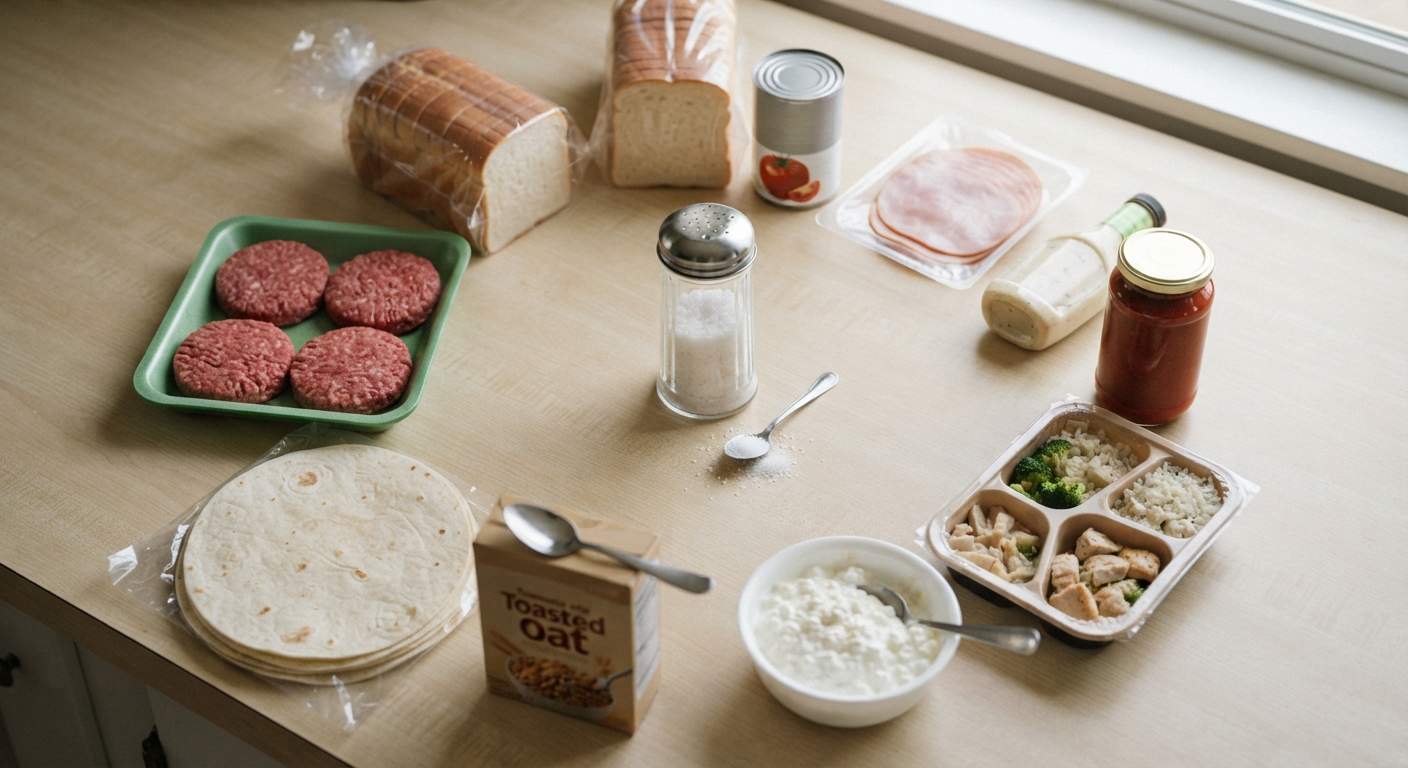
Here are the 10 foods surprisingly high in sodium that don’t always taste salty. Number 3 is the one that often catches people off guard — and it’s in many lunchboxes.