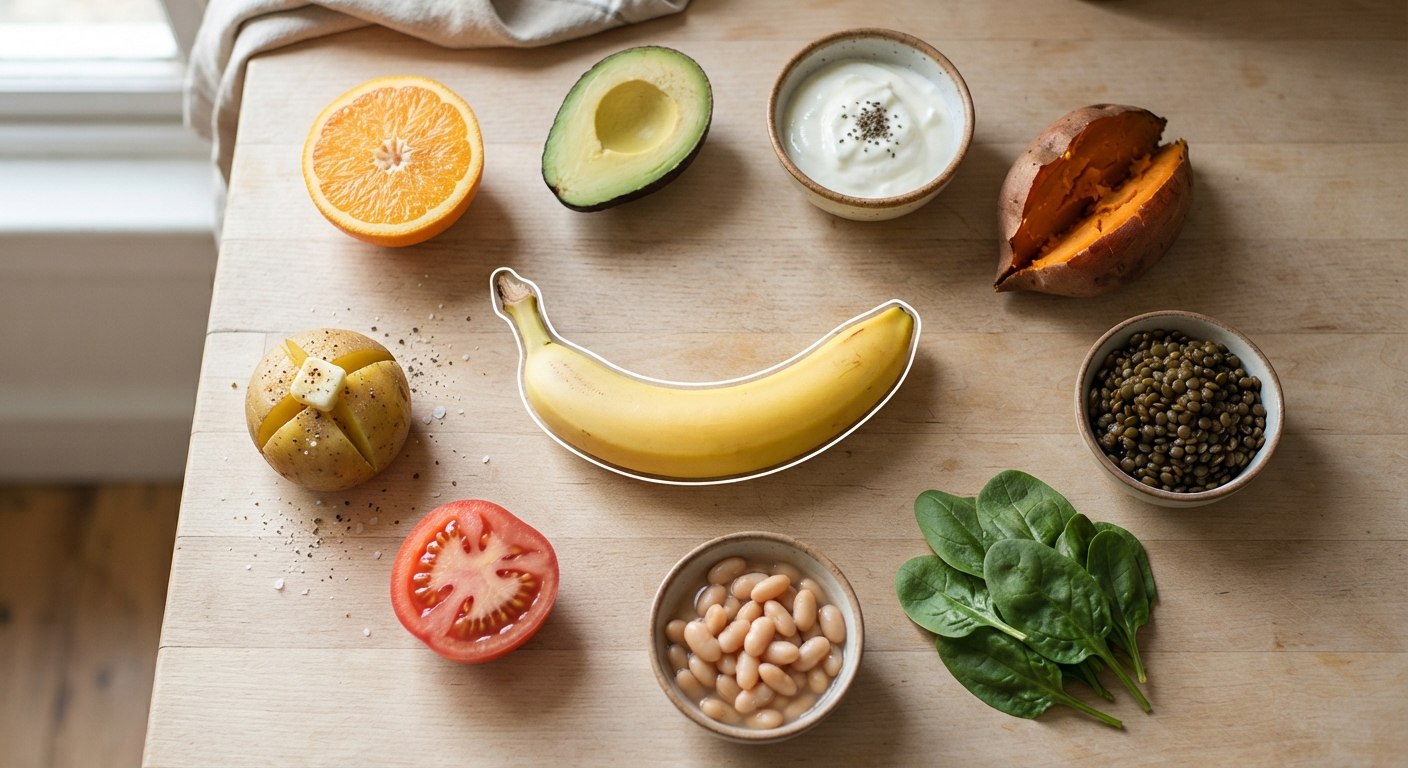
4. Lentils
Lentils are another legume rich in potassium, offering about 730 mg per cooked cup. They are also packed with protein, iron, and fiber, making them a nutritious staple for plant-based diets. Lentils have a relatively low glycemic index, which helps maintain steady energy levels.
Adding lentils to your diet can be easy: use them in salads, soups, or as a meat substitute in dishes like lentil tacos or shepherd’s pie. Their quick cooking time compared to other legumes is an added advantage.
Regular consumption of lentils supports heart health and blood pressure regulation due to their potassium and nutrient profile.
5. Spinach
Spinach is a leafy green that provides about 840 mg of potassium per cooked cup. It is also rich in magnesium, iron, and vitamins A and C. Spinach can be eaten raw in salads or cooked into a variety of dishes, from omelets to pastas.
Because of its versatility and nutrient density, spinach is a valuable addition to a potassium-focused diet. Blending raw spinach into smoothies or lightly sautéing it with garlic can maximize nutrient intake without sacrificing taste or texture.
Spinach’s potassium content contributes to muscle function and cardiovascular health, supporting overall vitality.
6. Sweet Potatoes
Sweet potatoes are a potassium-rich root vegetable, providing around 540 mg per medium-sized tuber. They are also an excellent source of beta-carotene, fiber, and vitamins B6 and C. Sweet potatoes have a natural sweetness and soft texture when cooked, making them a popular side dish.
For the best potassium retention, bake or steam sweet potatoes with the skin on. You can enjoy them mashed, roasted, or as fries made with minimal oil. Sweet potatoes pair well with spices like cinnamon, cumin, or paprika.
The combination of potassium and antioxidants in sweet potatoes supports immune function, blood pressure control, and overall metabolic health.