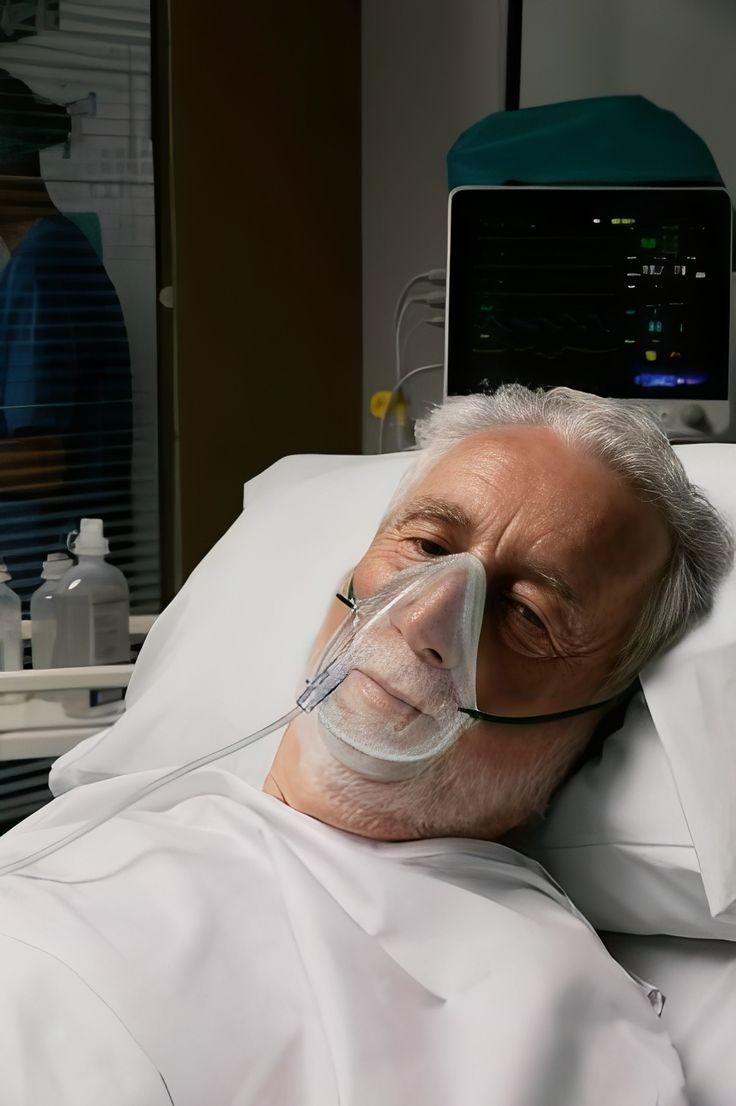
Urgent: Proper Oxygen Mask Use Can Prevent Life-Threatening Complications
If you or a loved one is using an oxygen mask for respiratory issues, understanding the right way to use it could be the difference between safety and serious harm. Misusing oxygen delivery devices is a common problem that leads to ineffective treatment, increased hospital stays, and avoidable costs sometimes exceeding thousands of dollars.
Why Oxygen Delivery Errors Matter
Oxygen therapy is prescribed to improve blood oxygen levels in conditions like chronic obstructive pulmonary disease (COPD), pneumonia, and heart failure. But the effectiveness depends on correct usage, including the fit of the mask, flow rate settings, and duration of use. Too little oxygen can leave symptoms untreated, while too much oxygen risks oxygen toxicity, which can cause lung injury and other complications.
Check Your Oxygen Setup Now
Before diving deeper, ask yourself these critical questions:
- Is the oxygen mask snug but comfortable on your face, without leaks?
- Have you confirmed the prescribed flow rate on your oxygen source matches your doctor’s instructions?
- Are you aware of how long you should be wearing the mask daily?
- Have you inspected the mask and tubing for damage, blockages, or moisture buildup?
If you answered no to any of these, your oxygen therapy might not be working as it should—and could even be harmful.
Medications and Oxygen: A Vital Check
Many patients on oxygen also take medications that affect breathing or blood oxygen levels. Certain drugs can interact with oxygen therapy, altering how effective it is or increasing side effects. Always review your medication list with your healthcare provider to avoid dangerous interactions.
The Cost of Getting It Wrong
Incorrect oxygen use often leads to emergency room visits or hospital admissions. In the US, the average hospital stay for oxygen-related complications can cost upwards of $10,000, not including follow-up care and lost productivity. Proper education and regular equipment checks can help avoid these costly outcomes.
Here are the 10 most critical factors for safe oxygen mask use. Number 3 is the one most patients overlook — and it can make all the difference in your treatment success.