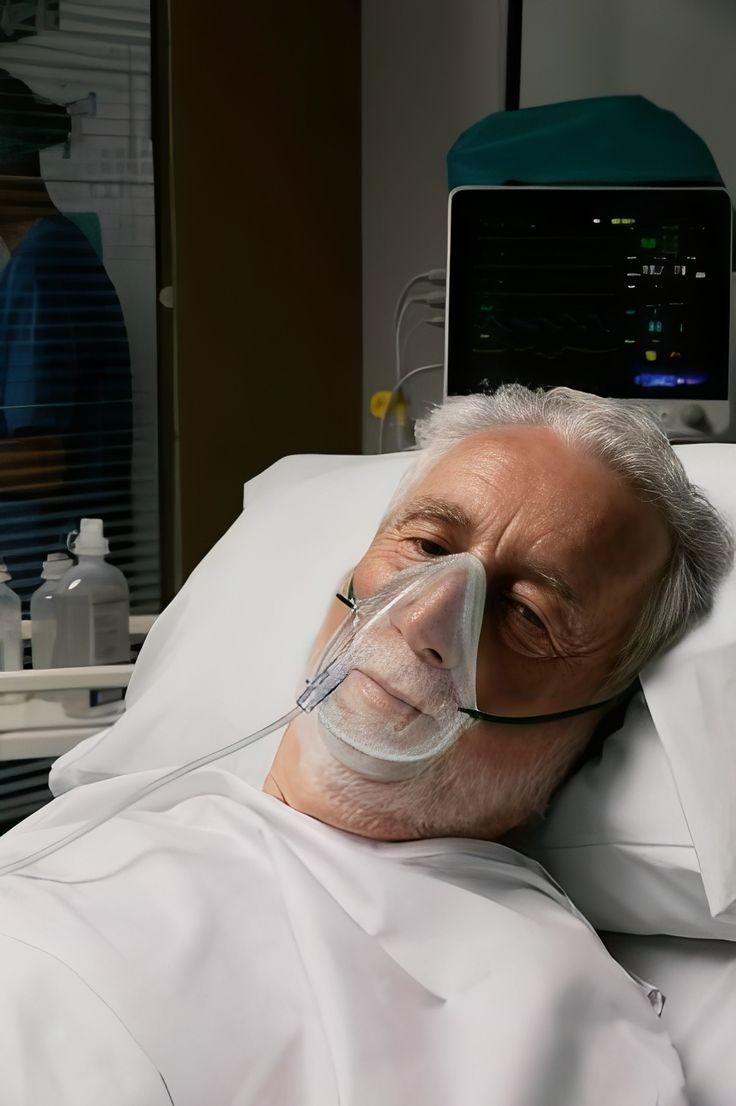
1. Oxygen Mask Fit
Ensuring a proper oxygen mask fit is critical for effective oxygen delivery and patient safety. A mask that is too loose will allow oxygen to escape, reducing the concentration of oxygen the patient receives. Conversely, a mask that is too tight can cause skin irritation, pressure sores, and discomfort, discouraging consistent use.
When fitting an oxygen mask, it should cover both the nose and mouth snugly without gaps. The elastic straps should be adjustable to maintain this fit without causing excessive pressure. Patients or caregivers should routinely check the seal and adjust the straps as needed, especially if the patient moves or changes position.
- Check for visible gaps around the edges of the mask.
- Ensure the mask does not press too tightly on the bridge of the nose or behind the ears.
- Replace masks that become cracked, brittle, or warped, as these reduce fit quality.
Proper mask fit optimizes oxygen delivery and minimizes the risk of skin breakdown, which can lead to infection or discomfort requiring medical attention.
2. Flow Rate Settings
Oxygen flow rate settings determine how much oxygen the patient receives per minute and are usually prescribed by a healthcare provider based on the patient’s condition. Incorrect flow rates are a common cause of oxygen therapy complications.
Flow rates that are too low may fail to correct hypoxemia, leading to inadequate oxygenation of tissues. On the other hand, excessively high flow rates can cause oxygen toxicity, lung damage, and carbon dioxide retention, especially in patients with chronic obstructive pulmonary disease (COPD).
It is essential to:
- Follow the exact flow rate prescribed by the clinician, typically measured in liters per minute (L/min).
- Use flow meters and oxygen delivery equipment that are calibrated and functioning correctly.
- Monitor patient symptoms and oxygen saturation levels regularly to ensure the flow rate remains appropriate.
Patients should never adjust their oxygen flow rate without consulting their healthcare provider, as this can lead to serious complications.