4. Nerve compression
Nerve compression occurs when nerves supplying the feet are pinched or entrapped, disrupting their normal signaling. Common sites include the lumbar spine (leading to sciatica) or around the ankle and foot (such as tarsal tunnel syndrome).
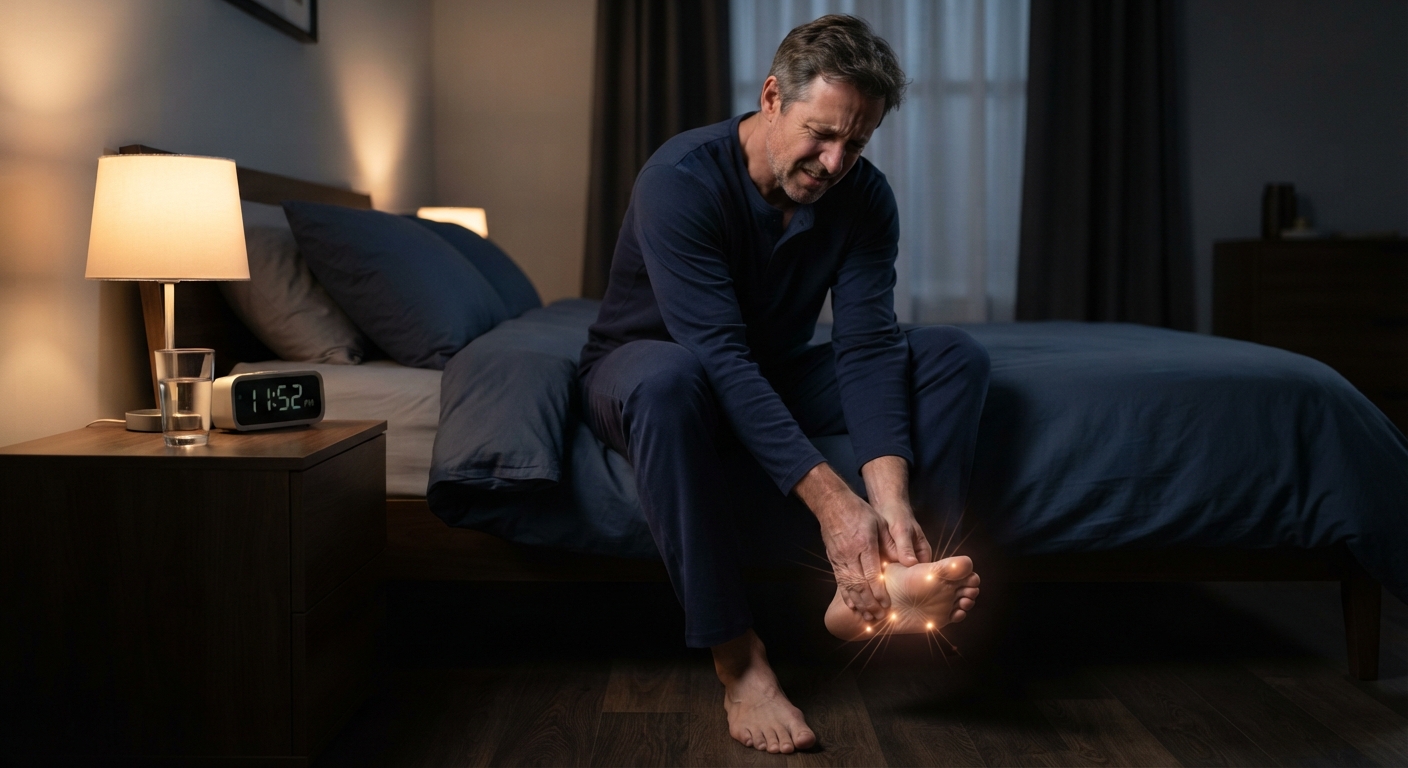
Compression can cause tingling, numbness, and sometimes pain radiating down the leg or localized to the foot. Activities that involve prolonged sitting, repetitive motions, or awkward postures at night may exacerbate symptoms.
Diagnosis often involves a physical exam, nerve conduction studies, or MRI imaging to identify the exact site and cause of nerve impingement. Treatment varies from physical therapy and ergonomic adjustments to corticosteroid injections or surgery in severe cases.
5. Medication side effects
Certain medications can cause peripheral neuropathy as a side effect, resulting in nighttime foot tingling. Common drug classes involved include some chemotherapy agents, antivirals, antibiotics like metronidazole, and certain heart medications.
If your foot tingling started after beginning a new medication, discuss this with your prescribing doctor. They may adjust the dosage or switch to an alternative drug. Never stop or alter medication without professional guidance.
Early recognition of drug-induced neuropathy can prevent permanent nerve damage by timely intervention and monitoring.
6. Chronic conditions
Several chronic illnesses are linked to nerve damage and tingling sensations in the feet. Diabetes, as mentioned, is a primary cause, but others include kidney failure, hypothyroidism, and autoimmune disorders like lupus or rheumatoid arthritis.
In kidney failure, the buildup of toxins can injure nerves, while hypothyroidism can slow metabolism and affect nerve function. Autoimmune diseases may cause inflammation that directly damages nerves.
Managing the underlying chronic condition with the help of specialists is essential to reduce neuropathic symptoms. Regular monitoring and treatment adjustments are key to preventing worsening nerve damage.