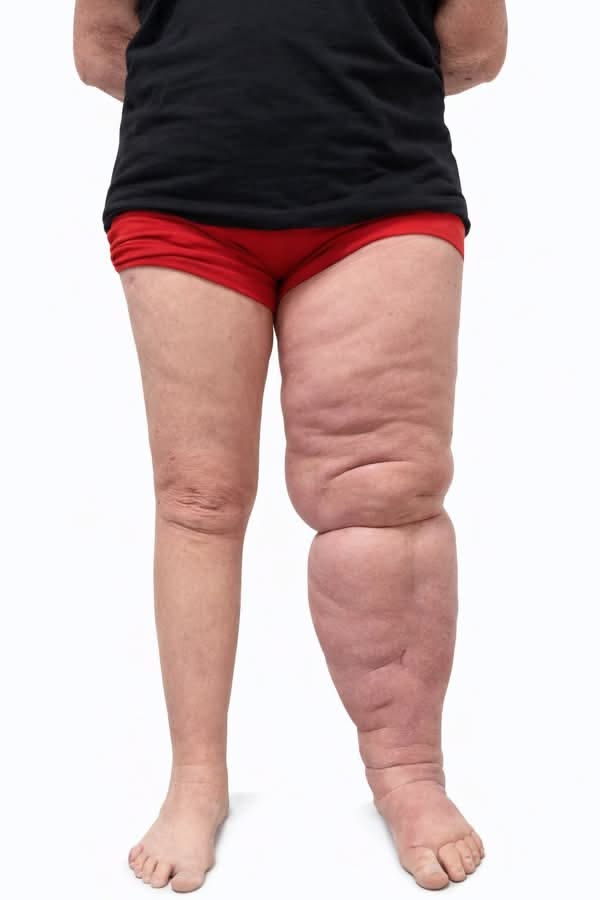
1. Deep Vein Thrombosis (DVT)
Deep Vein Thrombosis is the most urgent cause of a swollen leg and requires immediate medical attention. It occurs when a blood clot forms in one of the deep veins, usually in the calf or thigh. This clot blocks the return of blood to the heart, causing swelling, pain, and sometimes redness or warmth in the affected leg.
One key feature that distinguishes DVT from other causes of leg swelling is that it typically affects only one leg, not both. The swelling can develop rapidly or over a few days. Other symptoms may include tenderness along the vein, increased skin temperature, and sometimes visible veins.
Diagnosing DVT involves a combination of clinical assessment and imaging, most commonly a duplex ultrasound. Blood tests measuring D-dimer levels can support the diagnosis but are not definitive on their own.
Treatment focuses on preventing the clot from growing or breaking off, which could lead to a life-threatening pulmonary embolism. Anticoagulant medications are the mainstay of treatment, often started immediately after diagnosis.
2. Infections
Infections such as cellulitis can cause swelling in one leg, often accompanied by redness, warmth, and tenderness of the skin. Cellulitis is a bacterial skin infection that can enter through cuts or other skin breaks and spread rapidly.
The affected area may be painful and feel hot to the touch. Fever and chills can also be present if the infection is severe. Unlike DVT, cellulitis swelling is usually more localized and may have an irregular border with visible skin changes.
Treatment requires prompt use of antibiotics to stop the infection from spreading. In some cases, hospitalization may be necessary if the infection is extensive or the patient has underlying health problems.
Early diagnosis and treatment of infections are crucial to prevent complications such as abscess formation or systemic infection.