3. Injuries
Trauma to the leg, including sprains, fractures, or muscle tears, can cause swelling due to inflammation and fluid accumulation. The swelling often appears shortly after the injury and is usually accompanied by bruising, pain, and limited mobility.
Injuries cause localized swelling that may be tender and warm but typically involve a clear history of trauma or an accident. Swelling from injuries can sometimes mimic DVT, so if there is uncertainty, medical evaluation is necessary.
Treatment involves rest, ice, compression, and elevation (RICE), along with pain management. Severe injuries may require immobilization or surgery.
4. Chronic Venous Insufficiency
Chronic venous insufficiency (CVI) occurs when the leg veins have trouble sending blood back to the heart, often due to damaged valves. This leads to blood pooling in the legs, causing swelling, skin changes, and sometimes ulcers.
Swelling in CVI usually affects both legs but can be worse on one side. The skin may appear discolored or thickened, and varicose veins are often visible. Symptoms tend to worsen throughout the day and improve with leg elevation.
Management includes compression stockings to improve venous return, leg elevation, and sometimes surgical interventions for damaged veins.
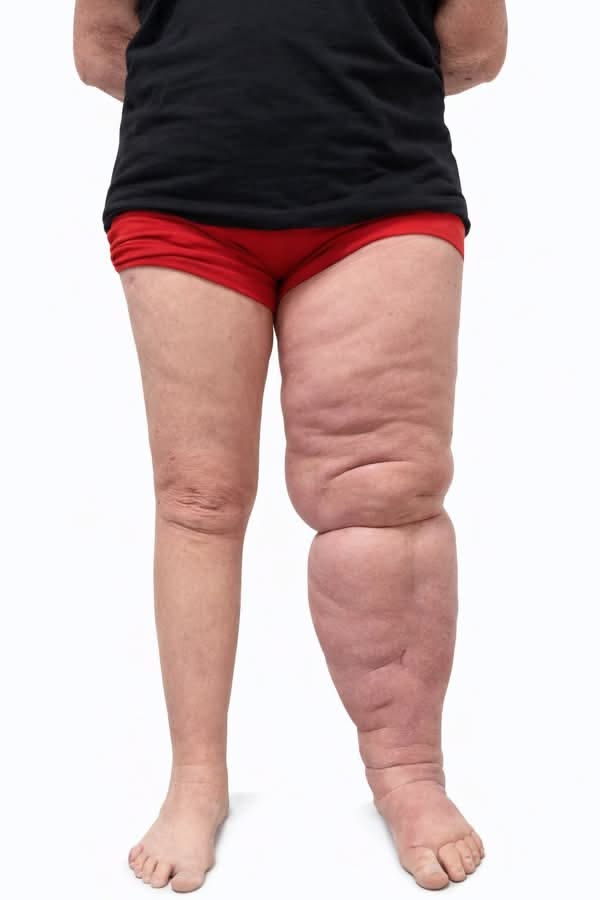
5. Lymphedema
Lymphedema is swelling caused by a buildup of lymph fluid due to impaired lymphatic drainage. It can occur after surgery, radiation therapy, infections, or due to congenital abnormalities.
The swelling is typically firm and non-pitting, meaning it does not indent when pressed. It often starts in the foot or ankle and progresses upward. The skin may become thickened or develop a peau d’orange (orange peel) texture over time.
Treatment focuses on reducing fluid buildup through manual lymphatic drainage, compression therapy, exercise, and skin care to prevent infections.