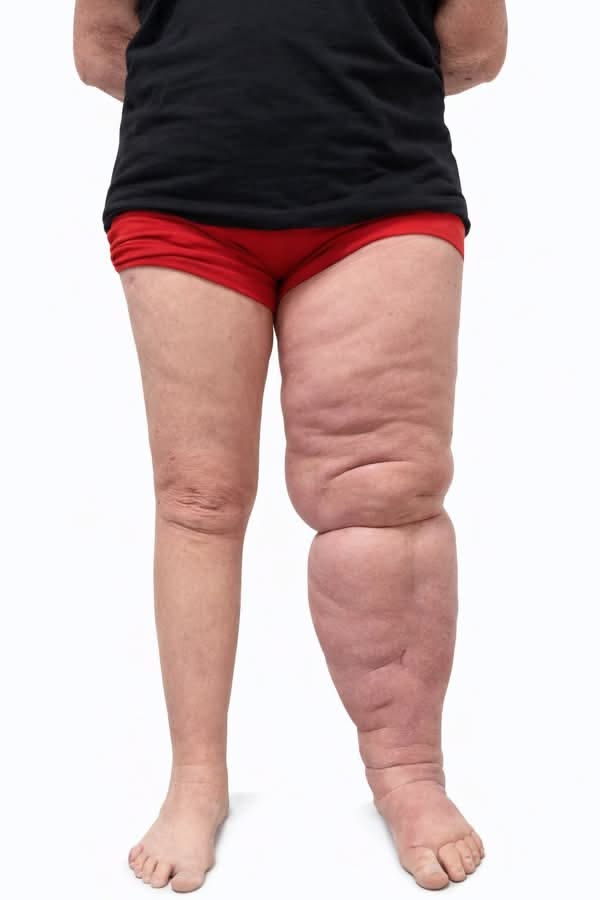
6. Heart Failure
Heart failure can cause swelling in both legs due to the heart’s reduced ability to pump blood effectively. This leads to fluid retention and increased pressure in the veins, causing bilateral leg swelling.
The swelling from heart failure is usually symmetrical and accompanied by other symptoms such as shortness of breath, fatigue, and weight gain. The swelling tends to worsen by the end of the day and improves overnight with leg elevation.
Diagnosis involves clinical evaluation, echocardiography to assess heart function, and blood tests such as B-type natriuretic peptide (BNP) levels.
Treatment includes medications like diuretics to reduce fluid overload, alongside managing the underlying heart condition.
7. Kidney Problems
Kidney diseases such as nephrotic syndrome can cause swelling by allowing excess protein to leak into the urine, reducing the blood’s ability to retain fluid. This leads to fluid accumulation, particularly in the legs and around the eyes.
Swelling from kidney problems is often bilateral and may be associated with frothy urine, fatigue, and high blood pressure.
Diagnosis requires blood and urine tests to evaluate kidney function and protein levels.
Treatment targets the underlying kidney condition and may include medications to control blood pressure and reduce protein loss.
8. Medications
Certain medications can cause leg swelling as a side effect. Common culprits include calcium channel blockers used for high blood pressure, nonsteroidal anti-inflammatory drugs (NSAIDs), corticosteroids, and some diabetes medications.
The swelling is typically bilateral and develops gradually after starting the medication. It is usually painless and may improve if the medication is adjusted or stopped under medical supervision.
If you suspect your medication is causing swelling, consult your healthcare provider before making any changes to your treatment.