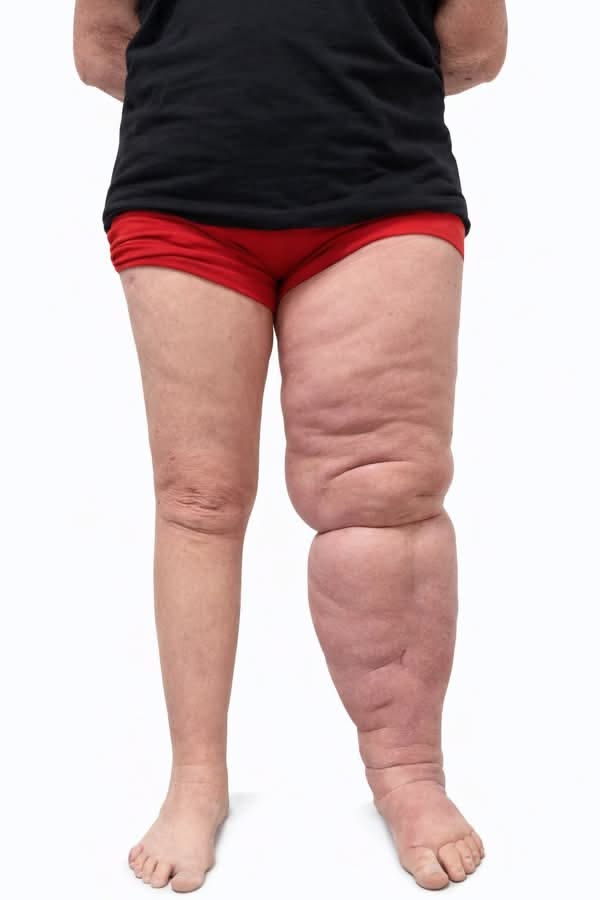
9. Blood Clot Risk Factors
Understanding the risk factors for blood clots is essential for prevention and early detection of deep vein thrombosis (DVT). Several conditions and lifestyle factors increase the likelihood of clot formation, including:
- Prolonged immobility, such as long flights or bed rest after surgery
- Recent surgery, especially orthopedic procedures like hip or knee replacement
- History of previous blood clots or clotting disorders
- Cancer and its treatments
- Pregnancy and the postpartum period
- Use of hormonal therapies, including birth control pills and hormone replacement therapy
- Obesity and smoking
Being aware of these risk factors can prompt earlier medical evaluation if swelling or other symptoms develop.
10. When to Seek Emergency Care
Immediate medical attention is crucial if you experience swelling in one leg accompanied by any of the following symptoms:
- Sudden, severe leg pain or tenderness
- Redness or warmth of the leg
- Shortness of breath, chest pain, or rapid heartbeat (signs of a possible pulmonary embolism)
- Swelling that worsens quickly or does not improve with rest and elevation
- Fever or signs of infection in the swollen leg
These symptoms may indicate a dangerous blood clot or severe infection requiring urgent evaluation and treatment.
Practical Guidance: When to See a Doctor
If you notice swelling in one leg that does not have a clear cause such as injury, or if the swelling is persistent, worsening, or associated with pain and redness, seek medical evaluation promptly. Early diagnosis and treatment can prevent serious complications.
For chronic or recurring swelling, a healthcare professional can help determine the underlying cause and recommend appropriate management strategies.
Conclusion
Swelling in one leg can signal a range of conditions, from minor injuries to life-threatening blood clots. Deep vein thrombosis remains the most critical cause to rule out due to its potential complications. Prompt recognition and medical evaluation are essential to ensure timely treatment and prevent serious outcomes.
Disclaimer
This article is for informational purposes only and does not replace professional medical advice. If you have concerns about leg swelling or related symptoms, please consult a healthcare provider.