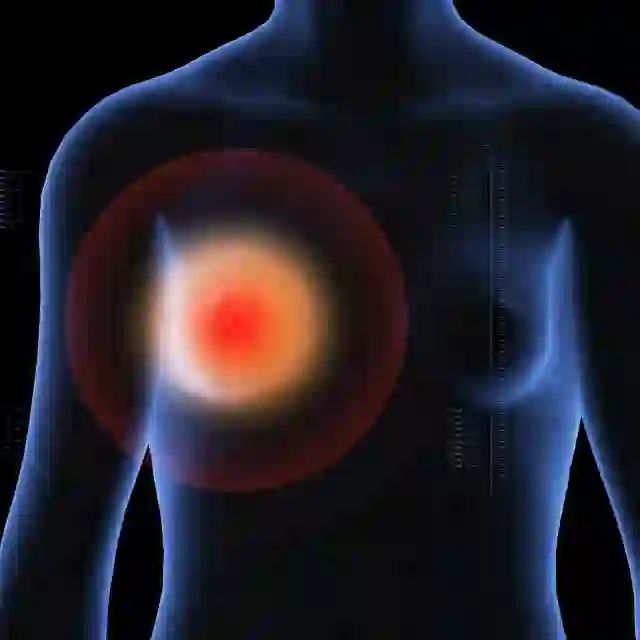
1. Heart Attack Signs
A heart attack, or myocardial infarction, occurs when blood flow to the heart muscle is blocked, causing damage. Recognizing the signs early is critical because timely medical treatment can save heart muscle and lives. The classic symptom is intense chest pain or pressure, often described as a squeezing or crushing sensation, which may radiate to the left arm, jaw, neck, or back.
Other common symptoms include:
- Shortness of breath
- Cold sweat or clamminess
- Nausea or vomiting
- Lightheadedness or dizziness
- Palpitations or irregular heartbeat
Women may experience atypical symptoms such as fatigue, indigestion, or discomfort in the upper back or throat. If you suspect a heart attack, immediate emergency care is essential to restore blood flow and minimize heart damage. Treatment often involves emergency angioplasty, clot-busting medications, or both.
2. Angina Symptoms
Angina is chest pain caused by reduced blood flow to the heart muscle, typically due to coronary artery disease. Unlike a heart attack, angina does not cause permanent damage but signals an underlying risk of heart problems. Angina pain is usually triggered by physical exertion, emotional stress, or heavy meals and subsides with rest or nitroglycerin.
Symptoms of angina include:
- Chest tightness or pressure, often behind the breastbone
- Pain radiating to the shoulders, arms, neck, or jaw
- Shortness of breath accompanying chest discomfort
Stable angina follows a predictable pattern, while unstable angina is more severe, unpredictable, and can signal an imminent heart attack. Anyone experiencing new, worsening, or prolonged angina symptoms should seek prompt medical evaluation, which may include stress testing, coronary angiography, and treatments like medications or revascularization procedures.