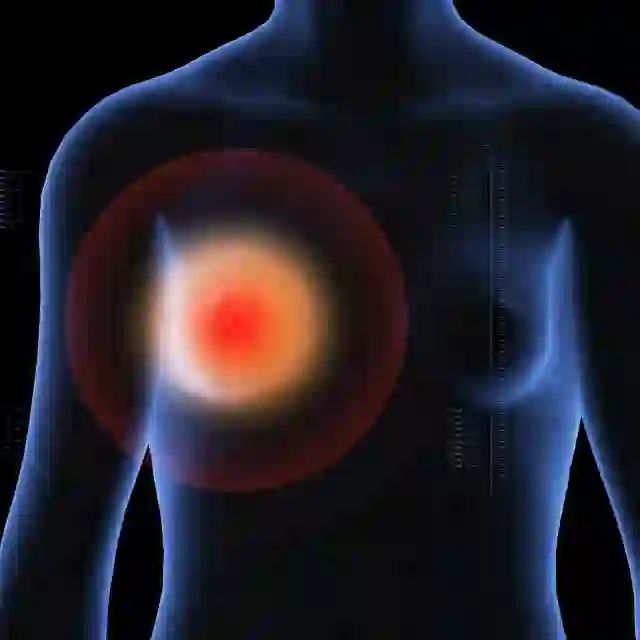
3. Muscle Strain
Muscle strain in the chest wall is a common cause of left chest pain, often resulting from overuse, heavy lifting, or sudden movement. This pain usually feels sharp or aching and tends to worsen with specific movements, deep breaths, or pressure on the affected area.
Unlike heart-related pain, muscle strain pain is localized and can often be reproduced by pressing on the chest or moving the upper body. It is not associated with sweating, nausea, or shortness of breath.
Treatment involves rest, ice application, and over-the-counter pain relievers such as NSAIDs. Stretching and strengthening exercises may help prevent recurrence once the pain subsides.
4. Gastroesophageal Reflux
Gastroesophageal reflux disease (GERD) occurs when stomach acid flows back into the esophagus, causing a burning sensation known as heartburn. This acid reflux can mimic heart-related chest pain but is usually linked to meals, lying down, or bending over.
Symptoms include:
- Burning chest pain behind the breastbone
- Sour or bitter taste in the mouth
- Regurgitation of food or liquid
- Difficulty swallowing
GERD can be managed with lifestyle changes such as avoiding trigger foods, eating smaller meals, and elevating the head of the bed. Medications like proton pump inhibitors (PPIs) or H2 blockers reduce acid production and relieve symptoms.
5. Costochondritis
Costochondritis is inflammation of the cartilage connecting the ribs to the breastbone (sternum). It causes sharp or aching chest pain that worsens with certain movements or deep breathing. This condition often follows trauma, heavy lifting, or viral infections.
Unlike cardiac pain, costochondritis pain is reproducible by pressing on the rib joints. There is no associated sweating, nausea, or shortness of breath.
Treatment includes NSAIDs for inflammation, rest, and avoiding activities that exacerbate the pain. Symptoms generally improve within weeks but can occasionally persist longer.