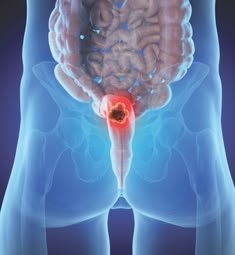
Act Fast: Early Detection of Colon and Rectal Cancer Can Save Your Life
If you notice bleeding from your rectum, persistent abdominal pain, or a sudden change in your bowel habits, do not wait. These symptoms can be signs of colon or rectal cancer, conditions that affect hundreds of thousands each year. Early diagnosis drastically improves survival rates and treatment success.
Distinguish Between Minor Issues and Warning Signs
Many people experience occasional gastrointestinal discomfort or irregularity, but it’s crucial to know when symptoms indicate something more serious. A simple way to start is by asking yourself:
- Is rectal bleeding a one-time event or recurring?
- Have my bowel habits changed for more than a few weeks?
- Am I experiencing unexplained weight loss or fatigue?
If you answer yes to any, especially combined with a family history of colorectal cancer or polyps, you should seek a specialist evaluation immediately.
Check Your Medicine Cabinet and Health History
Some medications may mask symptoms or cause side effects that mimic cancer signs, such as stool changes or abdominal pain. Blood thinners, iron supplements, and certain painkillers can influence bleeding patterns or stool color. Make sure your doctor knows all medications you take so they can interpret symptoms accurately.
Also, consider your personal risk factors: age over 50, a diet low in fiber, smoking, or a family history of colorectal cancer or inflammatory bowel disease increase your risk.
Costs and Screening Options Matter
Screening tests like colonoscopies can detect precancerous polyps before they turn malignant. The average cost for a colonoscopy ranges between $1,000 and $3,000 but can vary widely depending on insurance coverage and location. Many insurance plans cover regular screenings starting at age 45 or earlier if you have risk factors.
Early detection not only saves lives but can also reduce long-term healthcare costs by treating cancer before it advances.
Here are the 10 most telling signs of colon and rectal cancer. Number 3 is the one most people overlook — and it’s critical for early diagnosis.