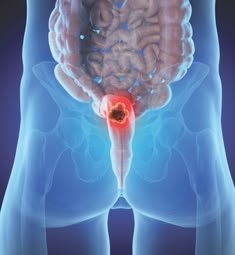
1. Rectal Bleeding
Rectal bleeding is one of the most common and alarming signs of colon and rectal cancer. It refers to the presence of blood in the stool, which may appear bright red or darker, sometimes mixed with mucus. This bleeding occurs because the tumor in the colon or rectum can erode blood vessels, causing blood to leak into the digestive tract.
While occasional rectal bleeding can be caused by less serious conditions like hemorrhoids or anal fissures, persistent or unexplained bleeding should never be ignored. In colon and rectal cancer, bleeding may be intermittent at first but tends to become more frequent as the disease progresses.
If you notice any rectal bleeding, especially if it is accompanied by other symptoms like changes in bowel habits or unexplained weight loss, you should see a healthcare provider promptly. Diagnostic tests such as a colonoscopy can visualize the colon and rectum, identify the source of bleeding, and allow for biopsy if needed.
2. Persistent Abdominal Pain
Persistent abdominal pain or discomfort is another warning sign of colorectal cancer. This pain can vary in intensity and location but is often described as cramping, bloating, or a dull ache in the lower abdomen. The tumor may cause partial obstruction of the bowel, leading to spasms and discomfort.
Abdominal pain in colon and rectal cancer may be accompanied by other digestive disturbances such as bloating, gas, or a feeling of fullness. Unlike common indigestion, this pain does not resolve with over-the-counter remedies and tends to worsen over time.
Chronic abdominal pain that does not improve, especially when combined with other symptoms like rectal bleeding or changes in bowel habits, warrants medical evaluation. Imaging studies like CT scans and endoscopic procedures help determine whether cancer or another serious condition is responsible.